Culture & Entertainment · Singapore Bureau
India's Diwali firecracker tradition clashes with air quality concerns
As India prepares for its major festival season, a contentious debate has emerged over the environmental cost of traditional firecrackers. Religious and cultural defenders of the practice face growing opposition from those concerned about worsening air pollution.
LSN Singapore ·
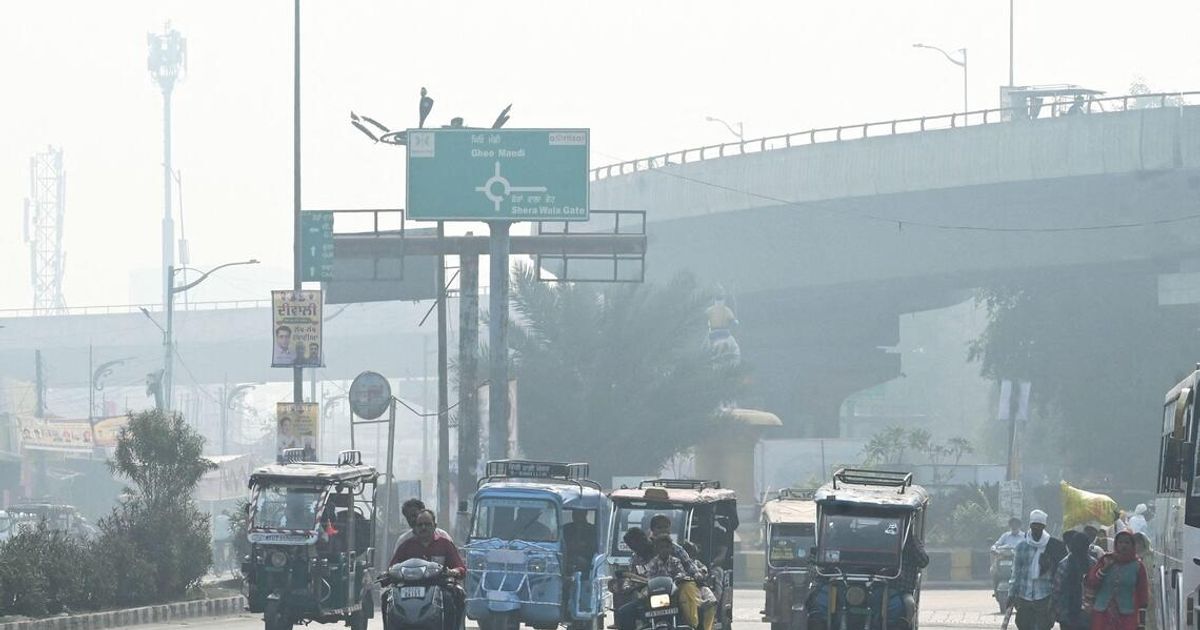
The annual celebration of Diwali in India has become a flashpoint in discussions about pollution and environmental responsibility. During the festival, millions of Indians light firecrackers as part of long-standing religious and cultural traditions. However, the practice coincides with India's poorest air quality months, when weather patterns trap pollutants in major cities and across northern regions.
Proponents of firecracker use argue that the practice remains an integral part of Diwali celebrations and holds significant religious meaning for many communities. They contend that traditional customs should not be abandoned and point out that firecrackers represent only one contributor to India's broader air quality challenges.
Environmental advocates counter that the concentrated bursting of millions of firecrackers over a short period creates measurable spikes in air pollution levels, exacerbating respiratory health risks particularly for vulnerable populations including children and the elderly. Cities including Delhi have repeatedly recorded hazardous air quality readings during and after Diwali festivities.
The tension reflects a wider struggle in India between preserving cultural heritage and addressing environmental concerns. Some state governments have attempted to regulate or restrict firecracker use during festival season, though enforcement has proven inconsistent. The debate continues as India seeks solutions that balance tradition with public health and environmental sustainability.