World · India Bureau
India's DRDO successfully tests high-altitude surveillance platform
India's Defence Research and Development Organisation has achieved a significant milestone in aerial surveillance technology with the successful test of an indigenous High-Altitude Platform System (HAPS). The platform reached an altitude of 21 kilometres and remained airborne for over 30 minutes at 20 kilometres height.
LSN India ·
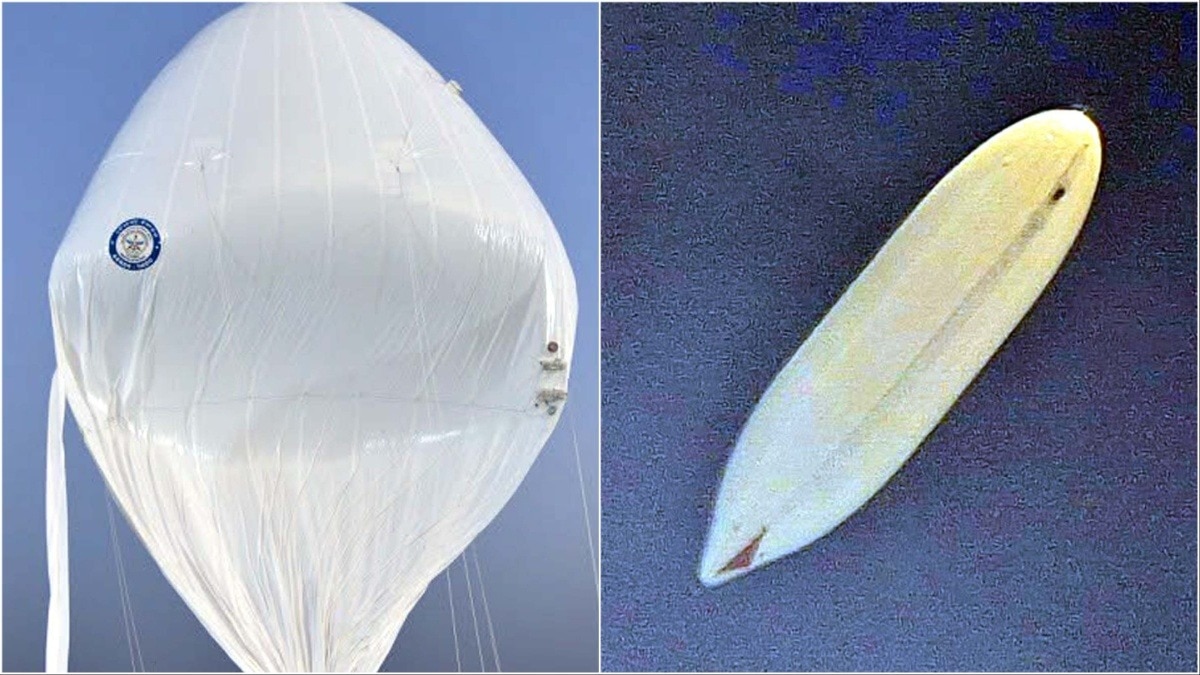
The DRDO's successful test of the domestically-developed HAPS marks a major advancement in India's surveillance and reconnaissance capabilities. The platform demonstrated the ability to achieve sustained flight at extreme altitudes, a critical requirement for long-endurance aerial monitoring systems.
During the test, the HAPS reached a peak altitude of 21 kilometres and maintained operations at 20 kilometres for more than 30 minutes, exceeding performance benchmarks for the technology. The achievement validates the design and engineering approaches adopted by Indian defence scientists for extended high-altitude operations.
HAPS technology is designed to provide persistent aerial surveillance over large geographical areas from extremely high altitudes, operating in the stratosphere where conventional aircraft cannot function. The platforms can remain airborne for extended periods, offering advantages over satellite-based systems for real-time monitoring and communication relay applications.
Defence analysts suggest the successful test will accelerate India's development of indigenous long-endurance aerial platforms, reducing dependence on imported systems for high-altitude surveillance missions. The technology has applications across military reconnaissance, disaster management, and communication infrastructure, strengthening India's autonomous capabilities in critical defence domains.