Business · India Bureau
India's drone sector faces funding crunch despite tech leadership
India hosts the world's second-largest defence-technology ecosystem, yet venture capital backing for its burgeoning drone industry has contracted significantly in 2026. The funding gap underscores challenges in converting India's technical capabilities into investor confidence.
LSN India ·
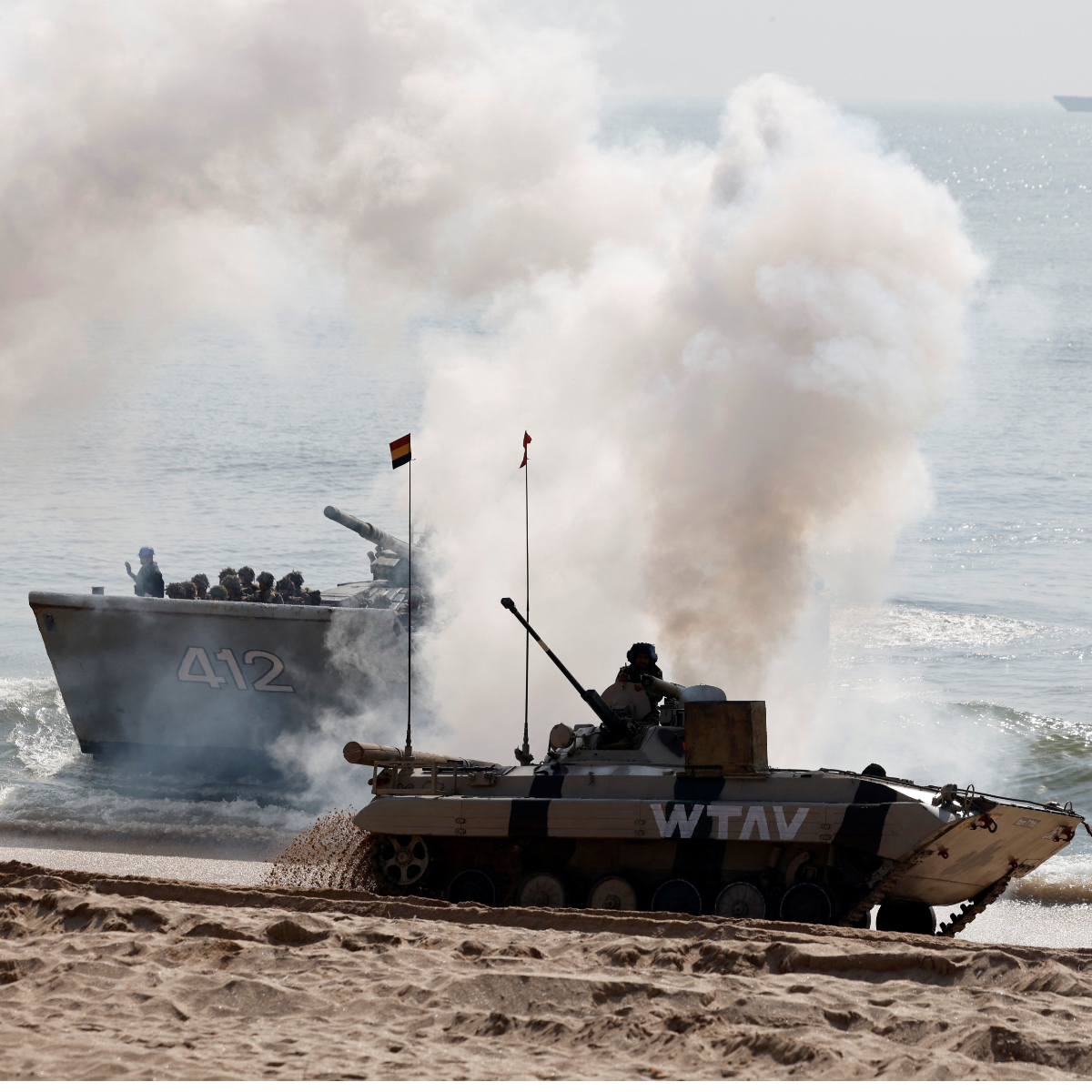
India's position as a global hub for defence-technology innovation masks a growing disparity in capital allocation to its unmanned systems sector. While the country has built the second-largest pool of defence-tech companies globally, the drone industry's share of venture funding has declined notably this year, creating a structural mismatch between entrepreneurial potential and financial support.
The contraction reflects broader headwinds affecting technology investment across the region. Investors have grown more cautious amid macroeconomic uncertainties, and drone startups—despite their strategic importance to India's defence capabilities—have faced intensified scrutiny over profitability timelines and market viability. This has forced many early-stage companies to extend their runways or seek alternative funding mechanisms.
Industry analysts point to regulatory complexities as a compounding factor. India's evolving framework for drone operations, while necessary for safety and security, has created uncertainty around commercialisation pathways that may deter risk-conscious investors. The Defence Ministry's push for indigenous development has not yet translated into sufficient venture capital flows to match government ambitions.
Despite the funding slowdown, sector participants remain optimistic about long-term prospects. India's technical talent base, lower operational costs, and strategic government support position the country to compete globally once investor sentiment stabilises. Stakeholders are advocating for clearer regulatory timelines and targeted incentive schemes to bridge the current capital gap and unlock the sector's full potential.