World · India Bureau
India's Education Challenge: Reaching Girls in Remote Communities
Despite significant progress in educational access, millions of girls across India's rural and remote regions remain outside the formal schooling system. Experts and policymakers are examining innovative strategies to bridge the gap and ensure no child is left behind.
LSN India ·
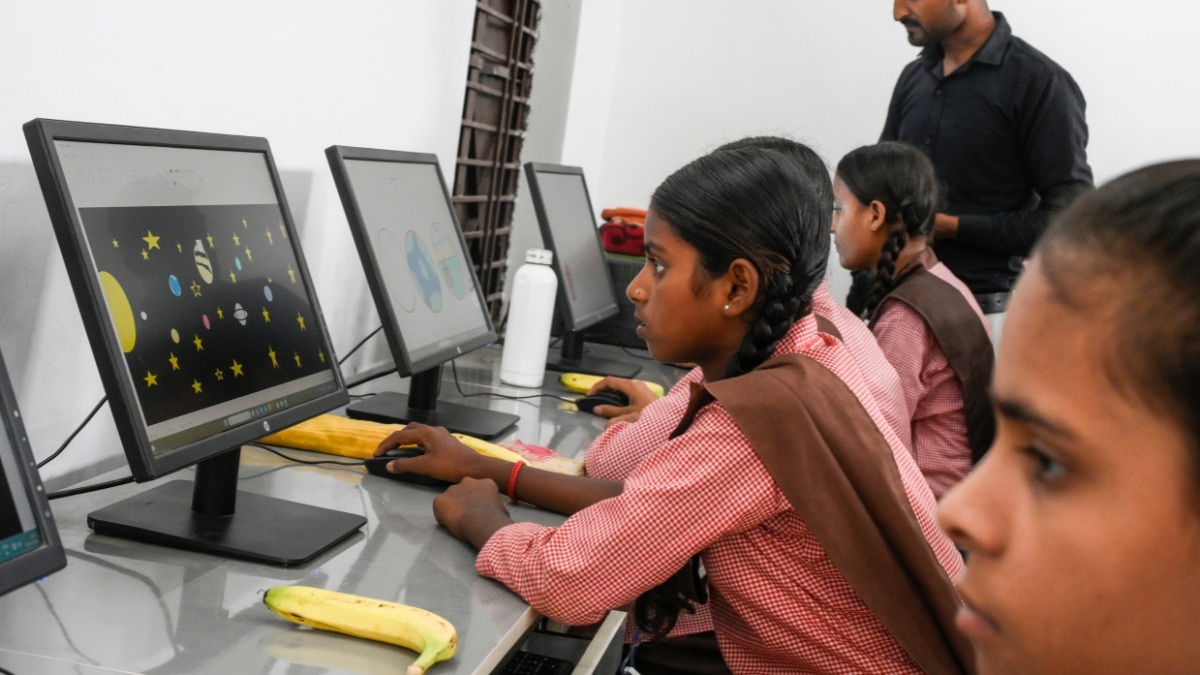
India has made substantial strides in primary education enrollment over the past two decades, yet a persistent challenge remains: reaching girls in isolated communities where infrastructure, economic constraints, and social attitudes continue to limit school access. Organizations working on the ground report that while urban and semi-urban areas have seen marked improvements, remote villages and tribal regions still lag significantly behind national averages. The barriers extend beyond simple distance to schools, encompassing household poverty that forces families to prioritize boys' education, inadequate transportation, and cultural practices that discourage girls from attending classes.
State governments and non-governmental organizations have begun piloting targeted interventions to address these gaps. Mobile education units, community learning centers run by local women, and conditional cash transfer schemes have shown promise in encouraging enrollment. Several states have also appointed dedicated officers to track out-of-school children and facilitate their entry into formal or alternative education streams. Additionally, improving school infrastructure—particularly separate toilet facilities and female teachers—has proven instrumental in retaining girl students once they enroll.
Education experts emphasize that reaching the final cohort of unreached girls requires a multi-pronged approach combining policy reform, resource allocation, and community engagement. Partnerships between government agencies, civil society, and private sector actors have expanded the toolkit available to address localized barriers. As India pursues its development agenda, closing the gender gap in education remains critical to achieving broader social and economic goals across the nation's most disadvantaged regions.