World · World News Bureau
India's elderly care gap spawns new market for paid companionship
As traditional family structures shift in India, a nascent industry of companionship services has emerged to fill the void left by absent relatives. Startups and small businesses are now monetizing what was once considered an obligation within multi-generational households.
LSN World News ·
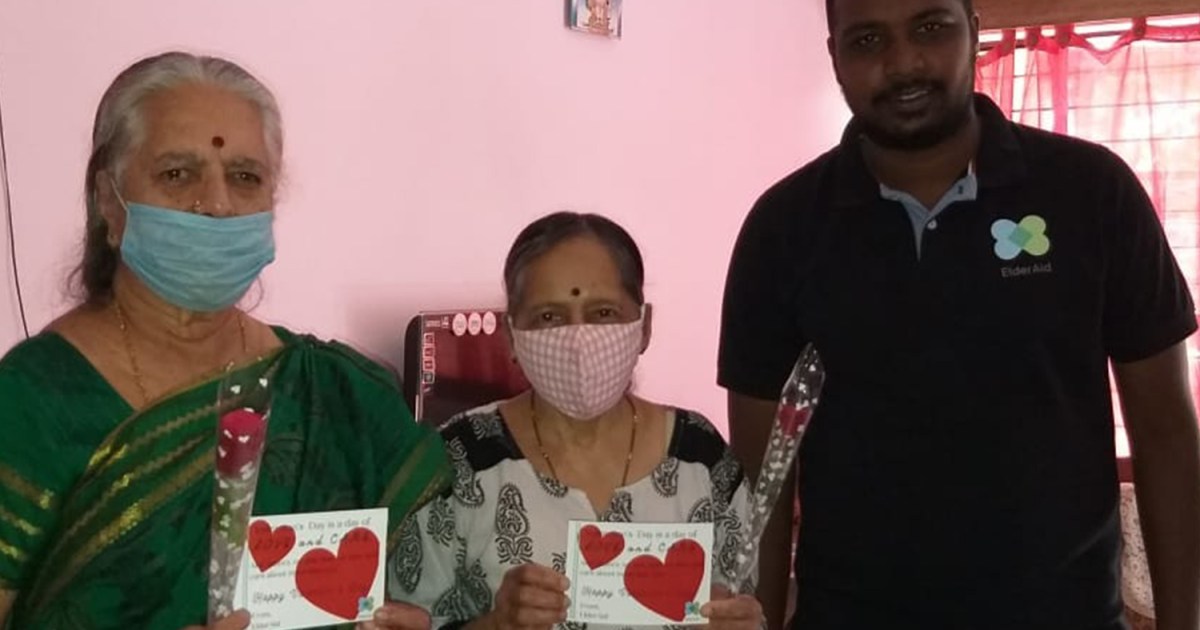
India's rapidly urbanizing population and changing social patterns have created an unexpected market opportunity: paid companions for elderly citizens. A growing number of service providers across major Indian cities are capitalizing on the gap between aging parents and adult children who lack time or proximity to provide daily care and engagement.
These emerging businesses offer services ranging from regular visits and meal preparation to social activities and medical appointment accompaniment. The model reflects a departure from India's traditional joint family system, where younger generations typically assumed responsibility for elder care as a matter of cultural and familial duty.
The companionship sector remains relatively small but is experiencing measurable expansion as India's working-age population increasingly relocates for employment opportunities, leaving elderly relatives behind. Urban professionals and middle-class families, facing competing demands of career and childcare, represent the primary clientele for these services.
While the phenomenon underscores shifting demographic and social realities in modern India, it also raises questions about the sustainability of commercializing intergenerational care. Industry observers suggest the sector will likely continue growing as urbanization accelerates and nuclear family structures become more prevalent across Indian cities.