World · India Bureau
India's elderly population surge fuels senior living community demand
India's 60-plus population is projected to more than double to 347 million by 2050 from 149 million in 2022, intensifying demand for integrated senior living communities that address housing, healthcare and social isolation concerns.
LSN India ·
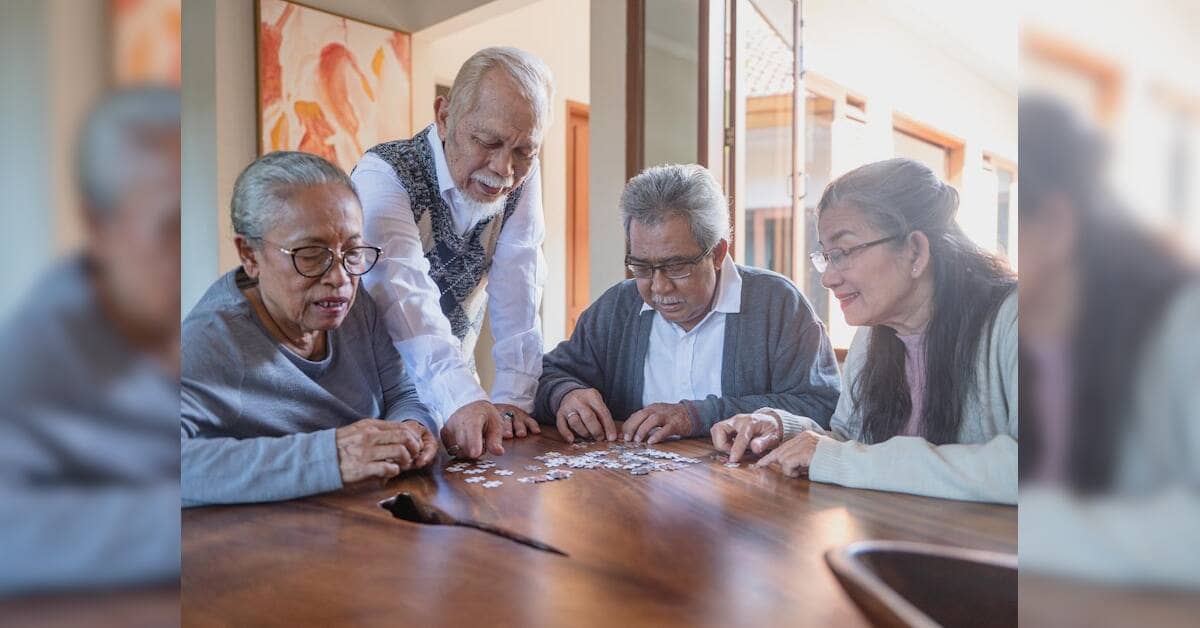
India faces a demographic shift that is reshaping the nation's social fabric, with the elderly population set to surge dramatically over the coming decades. The 60-plus age group, currently numbering 149 million, is expected to reach 347 million by 2050, according to demographic projections. This transformation is driving unprecedented demand for specialized senior living arrangements that integrate housing, medical care and wellness services under one framework.
The expansion of senior communities reflects broader societal changes affecting India's aging population. Rising urbanization, smaller family units and shifting work patterns have gradually eroded traditional multi-generational household structures that once provided built-in elder care. Simultaneously, social isolation among senior citizens has emerged as a significant concern, with many elderly individuals experiencing loneliness and reduced social engagement as younger family members migrate for employment opportunities.
Senior living developments are increasingly positioned as comprehensive solutions addressing these interconnected challenges. These communities typically combine independent or assisted living arrangements with on-site healthcare facilities, recreational programs and social activities designed to combat isolation and promote active aging. Industry observers note that such integrated models appeal to both seniors seeking independence and adult children concerned about parent care from a distance.
The sector's growth trajectory reflects recognition that India's healthcare and social infrastructure must evolve to accommodate demographic realities. While senior living communities remain concentrated in urban areas and among higher-income households, experts anticipate gradual expansion across income segments as awareness increases and service models diversify. The coming decades will determine how effectively India addresses the complex needs of its rapidly growing elderly population.