Politics · India Bureau
India's electric vehicle ambitions face persistent implementation challenges
Despite early technological pioneering with the Reva, India's electric vehicle sector has struggled to gain sustained momentum. Policy inconsistencies and infrastructure gaps continue to hamper the transition to cleaner automotive transport.
LSN India ·
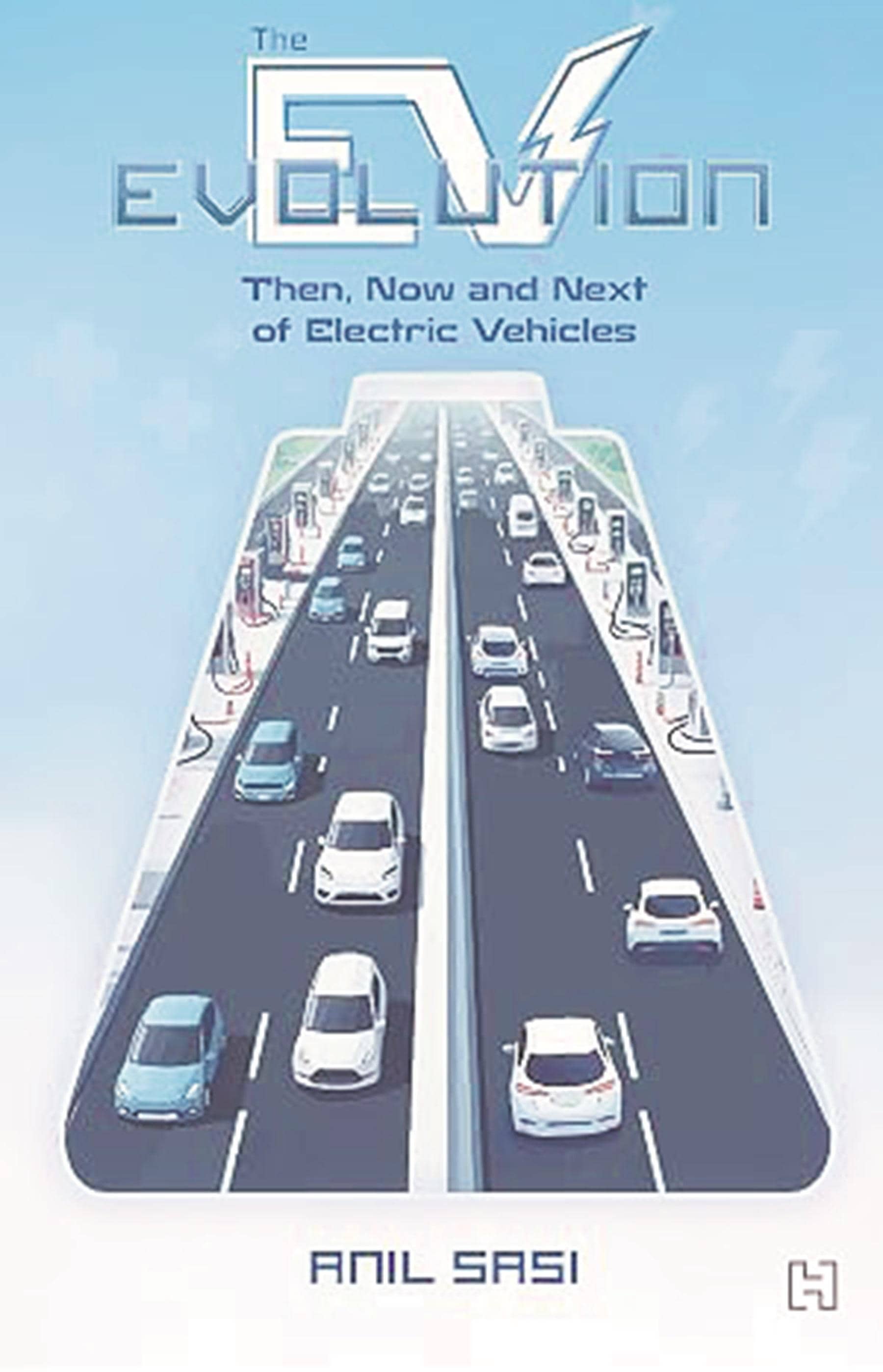
India's journey toward widespread electric vehicle adoption has proven far more turbulent than anticipated, even as the country established itself as an early innovator in battery-powered automobiles. The Reva, launched in the early 2000s, positioned India ahead of global competitors in developing practical EV solutions—a lead that has not translated into sustained market dominance or coherent policy frameworks.
The sector's development has been marked by shifting governmental priorities, inconsistent incentive structures, and a disconnect between policy announcements and ground-level implementation. State and central government schemes have frequently been revised, creating uncertainty among manufacturers and consumers alike. This regulatory volatility has deterred both domestic investment and foreign partnerships necessary for scaling production.
Infrastructure deficiencies compound these challenges. Charging networks remain sparse outside major metropolitan areas, battery technology adoption lags behind international standards, and supply chain constraints have inflated vehicle costs. These factors have kept electric vehicles economically inaccessible for the broader Indian market, limiting adoption primarily to affluent urban segments.
Industry observers note that realizing India's electric vehicle potential requires sustained, predictable policy support alongside substantial infrastructure investment. Without coordinated action across manufacturing, charging infrastructure, and consumer incentives, India risks ceding its early technological advantage to competitors who have more effectively implemented comprehensive EV ecosystems.