World · India Bureau
India's emissions surge masks low per-capita carbon footprint
India's greenhouse gas emissions have grown at more than double the global average, yet the country maintains one of the world's lowest per-capita carbon footprints due to its large population. The paradox underscores the tension between India's rapid development and climate commitments.
LSN India ·
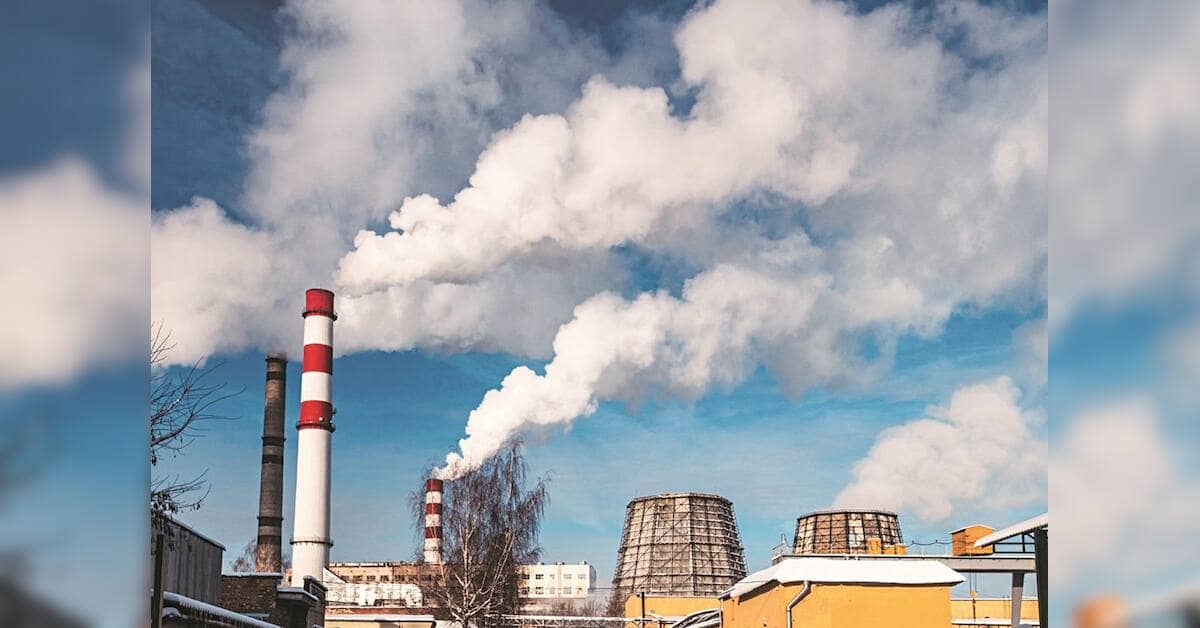
India's greenhouse gas emissions have expanded at a compound annual growth rate of 3.6 per cent since 1990, significantly outpacing the global average of 1.5 per cent, according to recent analysis. The sharp acceleration reflects the nation's expanding economy, growing energy demands, and industrial expansion over three decades.
Despite the rapid absolute increase in emissions, India maintains one of the lowest per-capita carbon footprints globally when calculated on a per-person basis. With over 1.4 billion residents, the country's total emissions are distributed across a vast population, resulting in individual carbon contributions that remain modest compared to developed economies and several other major emitters.
The divergence between India's rising total emissions and modest per-capita figures highlights a fundamental challenge facing the nation. Policymakers must balance lifting hundreds of millions out of poverty and sustaining economic growth with obligations to reduce emissions and address climate change.
India has committed to achieving net-zero emissions by 2070 while expanding renewable energy capacity. The government has substantially increased investment in solar and wind power, though fossil fuels continue to dominate the energy mix. Experts note that India's transition to cleaner energy sources will be critical in moderating the growth trajectory of national emissions in the coming decades.