World · India Bureau
India's employment challenge: Poverty falls but wages, job stability lag
While India has made significant progress in reducing poverty levels, structural challenges in the labour market—including stagnant wages and scarcity of stable employment—continue to hinder inclusive economic growth across the country.
LSN India ·
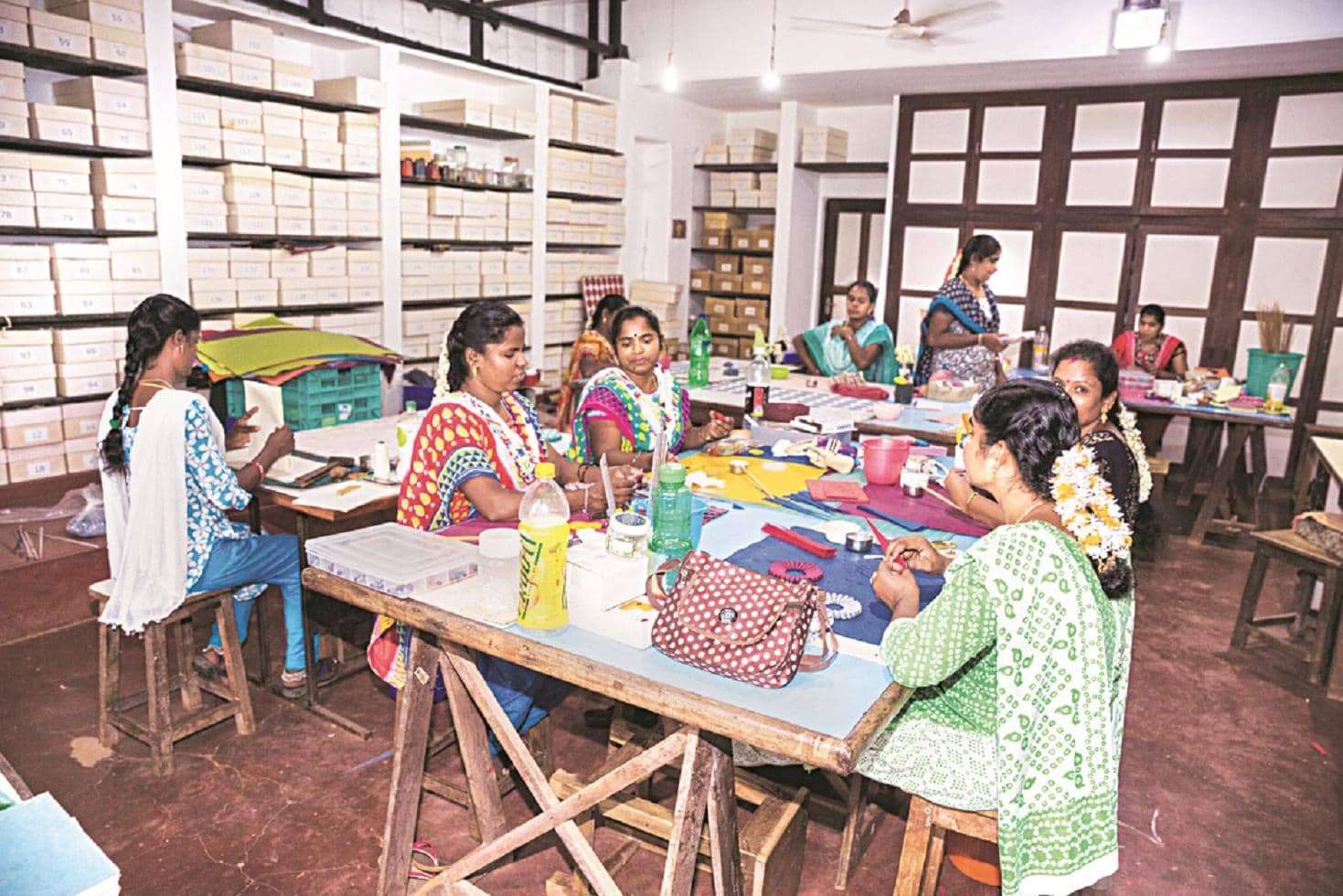
India's poverty reduction trajectory over the past two decades represents a notable development achievement, yet the nation faces a critical gap between declining poverty rates and the quality of employment opportunities available to its workforce. Government data and economic analyses reveal that while fewer Indians live below the poverty line, those entering the job market often encounter limited prospects for regular, sustained employment at wages sufficient to ensure economic security.
The disconnect between poverty alleviation and wage growth underscores a fundamental challenge in India's development model. Many workers transition from subsistence-level living into informal employment that offers minimal job security, inconsistent income streams, and limited access to social protections. This reality affects both rural migrants moving to urban centres and educated job seekers navigating a labour market that has not kept pace with workforce expansion.
Economists point to structural factors constraining wage growth and formalisation of employment. These include insufficient growth in labour-intensive manufacturing sectors, concentration of formal jobs in urban areas, skills mismatches between workers and available positions, and the prevalence of contractual arrangements over permanent roles. The phenomenon creates a paradox where national poverty statistics improve while individual household economic vulnerability persists.
Addressing this employment-wage gap requires coordinated policy action spanning job creation, skills development, and labour market reforms. Industry observers note that sustainable inclusive growth will depend on expanding both the quantity and quality of employment opportunities rather than relying solely on poverty reduction metrics to gauge economic progress.