World · India Bureau
India's esports ambitions hinge on player development infrastructure
India boasts a massive gaming population but lacks the structured training ecosystem needed to convert casual players into world-class competitive athletes. Experts say bridging this gap requires investment in coaching, practice facilities and career pathways.
LSN India ·
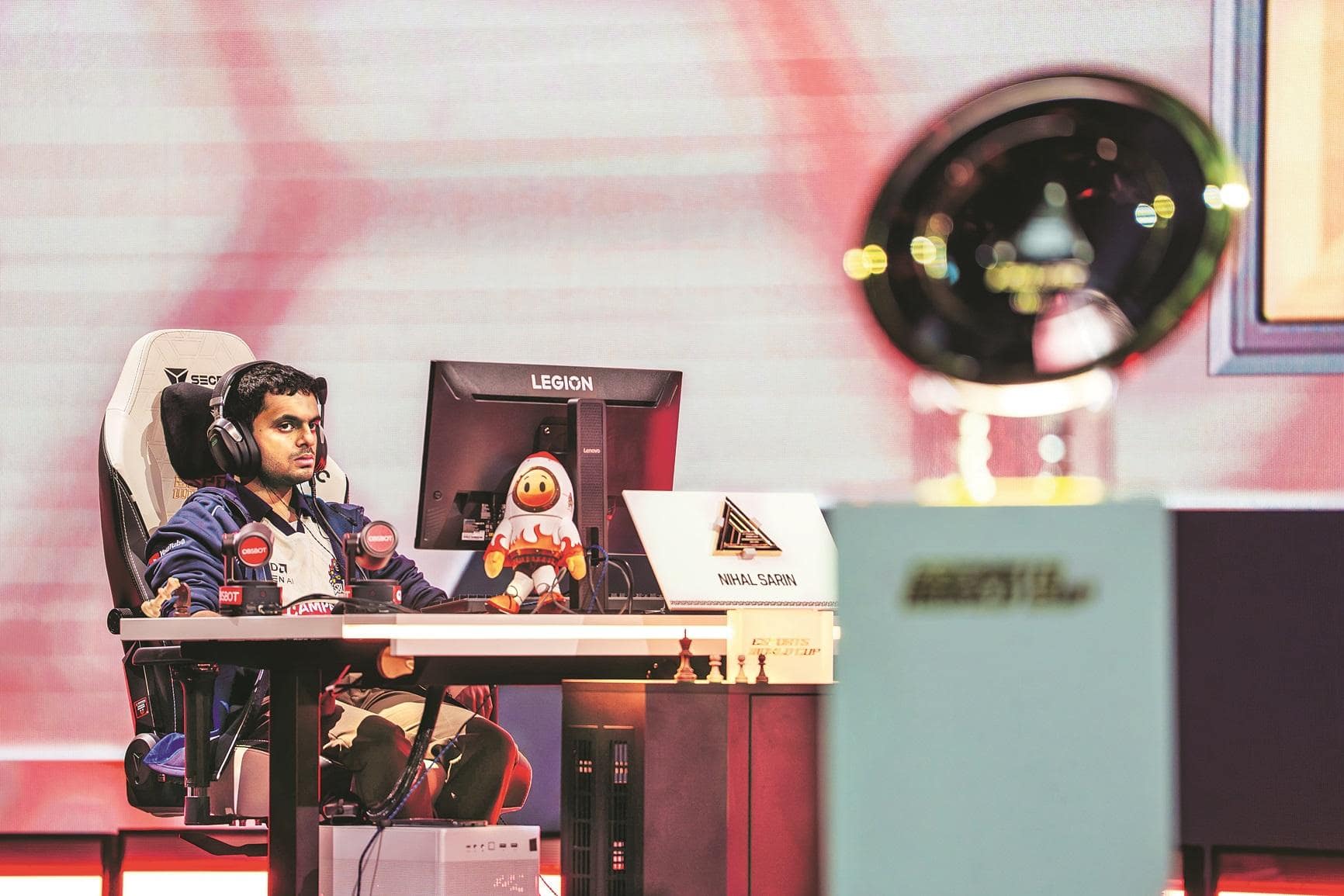
India's esports landscape presents a paradox: the country has emerged as one of the world's largest gaming markets by player base, yet struggles to produce consistently competitive teams on the global stage. While millions of Indians engage with games daily, translating that audience into medal-winning esports professionals remains an elusive goal that hinges on access to resources most aspiring competitors currently lack.
The challenge extends beyond raw talent. Competitive esports success requires sustained access to high-performance gaming equipment, professional coaching, structured practice regimens, and robust tournament pathways that prepare players for international competition. Most Indian gamers develop skills informally, often without mentorship or systematic training programs comparable to those available in countries like South Korea, Sweden, and the United States.
Industry observers point to a critical bottleneck: the absence of institutional infrastructure connecting casual gaming culture to professional competition. Unlike traditional sports with established academies and development hierarchies, Indian esports lacks a clear pipeline through which talented young players can progress, refine their craft, and access the resources necessary to compete at elite levels.
Addressing this gap would require coordinated investment from government, private sector stakeholders, and educational institutions. Without substantial improvements in player development systems, training facilities, and career support mechanisms, India risks remaining a market of consumers rather than producers of world-class esports talent, despite its enormous population advantage.