World · India Bureau
India's ethanol push: taxpayer rice sold to distilleries at steep discount
India has rapidly scaled up ethanol production infrastructure to support E20 fuel adoption, but critics question the subsidy structure as government-procured rice is being supplied to distilleries at roughly 40 percent below market rates.
LSN India ·
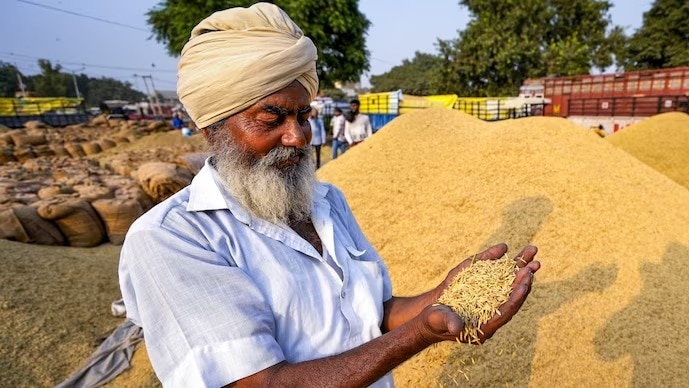
India's aggressive push to promote ethanol-blended E20 fuel has accelerated infrastructure development across the country, supported by easy credit availability. However, the programme's economics have drawn scrutiny over how subsidies are being distributed along the supply chain.
Under the current arrangement, rice procured by the government—funded by taxpayers—is being supplied to ethanol distilleries at significantly discounted rates, approximately 40 percent lower than prevailing market prices. This arrangement effectively transfers public resources to private distillery operators, raising questions about the true beneficiaries of the ethanol expansion policy.
The E20 fuel initiative, which blends petrol with up to 20 percent ethanol, forms part of India's strategy to reduce petroleum imports and support domestic agricultural output. While the policy aims to create value from surplus rice stocks, the below-market pricing structure means distilleries gain a competitive advantage funded directly by government coffers.
Industry observers note that the subsidy mechanism differs from transparent support measures and may distort market dynamics. As India continues scaling ethanol capacity, policymakers face pressure to clarify how public resources are being allocated and ensure that programme benefits are appropriately distributed across stakeholders.
The arrangement highlights broader questions about India's approach to biofuel promotion and the extent to which public funds are being used to support private sector expansion in the sector.