World · India Bureau
India's EV charging infrastructure plan risks missing 2030 goals
Despite rapid growth in electric vehicle adoption, India's ₹2,000-crore charging infrastructure initiative may prove insufficient to meet its climate targets, according to a new assessment. Experts warn that deploying more charging stations alone will not resolve critical gaps in user experience and network reliability.
LSN India ·
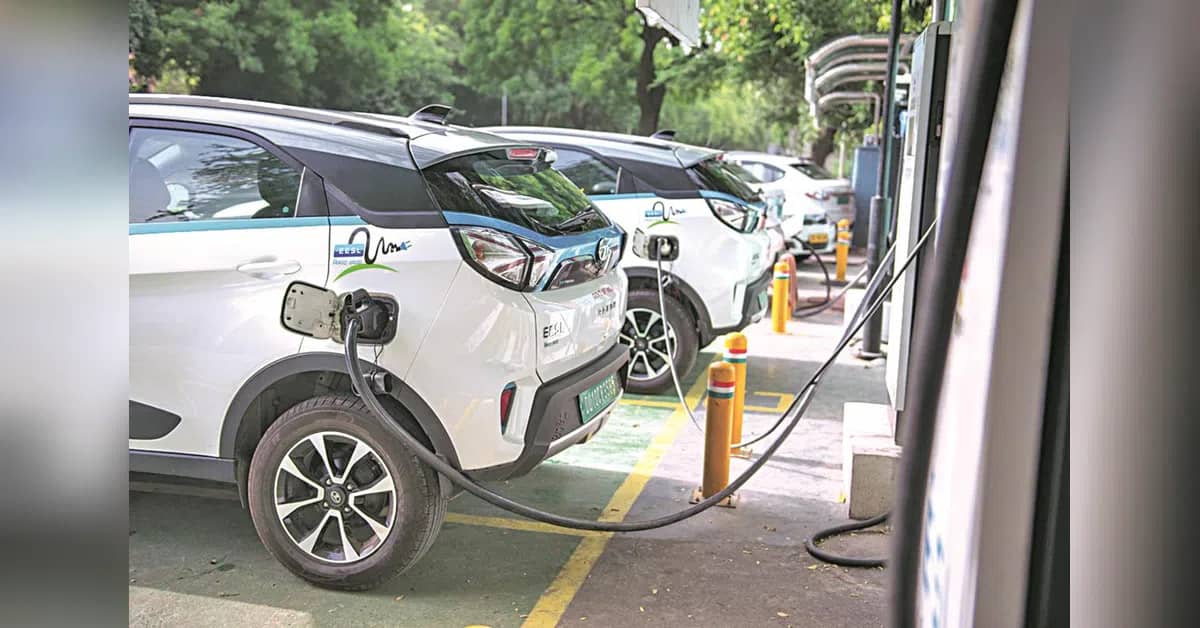
India's push to expand electric vehicle charging infrastructure faces significant headwinds in meeting its ambitious 2030 targets, a development that threatens to undermine the nation's broader electrification goals even as EV sales accelerate across the country.
The ₹2,000-crore investment program, while substantial, may fall short of requirements needed to support projected EV adoption rates, analysts have cautioned. The shortfall extends beyond mere numbers of charging stations, with experts flagging concerns about inconsistent service quality, user accessibility, and network reliability across different regions.
As India's electric vehicle market expands at a brisk pace, the charging ecosystem has emerged as a critical bottleneck. Without addressing fundamental issues in user experience and equitable infrastructure distribution, the country risks creating a two-tiered system that favors urban centers while leaving rural and semi-urban areas underserved.
Policymakers are being urged to reassess the strategy's scope and financing mechanisms to ensure comprehensive coverage. Key priorities include standardizing charging protocols, improving payment systems, and strengthening backend infrastructure to support real-time grid management as EV penetration increases.
The gap between current plans and actual requirements underscores the need for integrated action involving government, private sector stakeholders, and regulatory bodies to build a sustainable charging ecosystem capable of supporting India's transition to electric mobility.