Politics · India Bureau
India's EV Transition Overlooks Vehicle Retrofitment Opportunity
India's electric vehicle push risks missing a cost-effective sustainability strategy: retrofitting existing vehicles with electric powertrains. Experts argue that combining retrofitment with robust scrappage policies could accelerate electrification while conserving resources.
LSN India ·
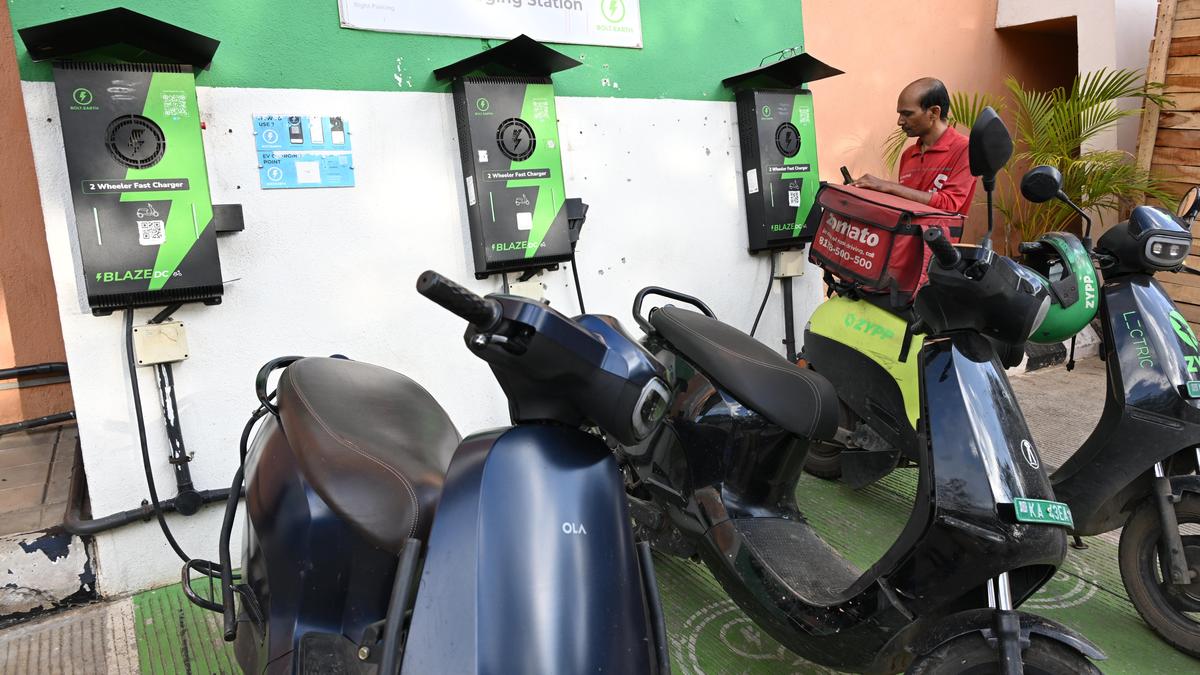
As India accelerates its transport electrification drive, policymakers are increasingly focusing on new vehicle manufacturing and charging infrastructure. However, a critical sustainability principle remains sidelined: the reuse and retrofitment of existing vehicles to extend their operational life.
The potential for vehicle retrofitment lies in India's large fleet of structurally sound automobiles that remain roadworthy despite aging powertrains. Rather than scrapping these vehicles outright, retrofitting sound chassis with electric powertrains offers a resource-efficient alternative that could significantly expand India's EV adoption without the environmental costs of manufacturing entirely new vehicles.
Experts contend that retrofitment addresses a key gap in India's transition strategy. The country's massive existing vehicle inventory represents both a challenge and an opportunity. By integrating electric powertrains into vehicles with intact structural integrity, India could reduce manufacturing demand, lower transition costs for vehicle owners, and minimize e-waste from premature vehicle disposal.
To maximize this approach, analysts emphasize the need for an effective national scrappage policy that works in tandem with retrofitment incentives. Such a coordinated framework could establish clear criteria for vehicle eligibility, standardize retrofitment processes, and provide financial mechanisms that make conversion economically viable for consumers. Without deliberate policy intervention, the reuse principle risks remaining overlooked as India pursues its electrification agenda, potentially missing substantial gains in resource efficiency and sustainability.