Business · India Bureau
India's export gap widens as mid-tier firms struggle amid currency shifts
A growing segment of Indian exporters lacks the scale to compete globally, even as rupee depreciation provides temporary relief. The absence of mid-sized trading enterprises is emerging as a structural challenge for India's export competitiveness.
LSN India ·
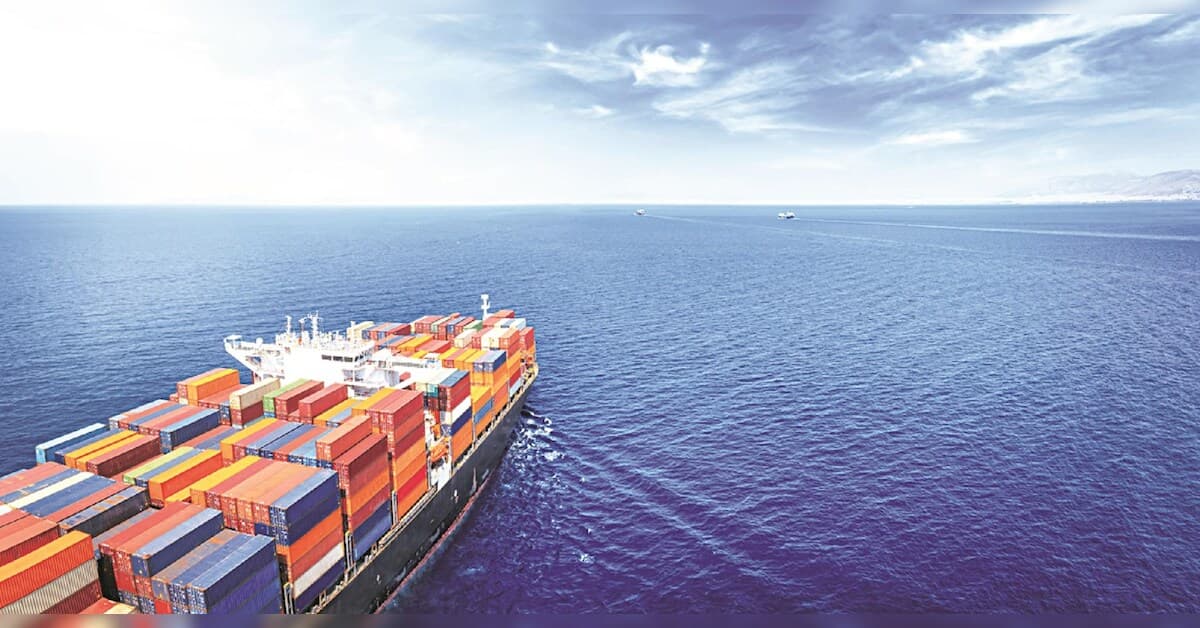
India's export landscape is increasingly polarized, with a conspicuous absence of mid-sized companies that could bridge the gap between small producers and multinational corporations. This 'missing middle' in the export sector represents a significant structural weakness, limiting India's ability to diversify its shipments and build resilience into global supply chains.
The recent depreciation of the Indian rupee has provided a short-term advantage to exporters by making their products more price-competitive abroad. However, this currency cushion masks deeper challenges facing companies that have outgrown domestic markets but lack the scale, technology, or organizational capacity to establish themselves as reliable international suppliers. Without these mid-tier firms, India's export growth remains dependent on a handful of large corporations and fragmented small enterprises.
Economists point to several structural impediments preventing the emergence of strong mid-sized exporters. Access to affordable credit, compliance with international quality standards, investment in research and development, and navigating complex global logistics networks remain formidable barriers. Additionally, regulatory frameworks that often favor either very small or very large enterprises have inadvertently discouraged companies from expanding into the mid-range segment.
The absence of this critical middle tier has implications for India's broader economic aspirations. As global supply chains diversify away from traditional manufacturing hubs, India risks missing opportunities to capture mid-value-added exports in sectors ranging from engineering goods to pharmaceuticals to specialty chemicals. Policymakers increasingly recognize that sustaining export growth will require targeted interventions to nurture and support companies transitioning from domestic to international markets.
Industry observers suggest that addressing this gap requires a multi-pronged approach, including simplified export procedures, targeted credit schemes, skill development programs, and clusters that facilitate knowledge-sharing among emerging exporters. Without deliberate efforts to strengthen the mid-tier export base, India's reliance on rupee depreciation and large-cap exporters remains a vulnerability in an uncertain global trading environment.