World · India Bureau
India's facial recognition systems: Promise and privacy concerns
Facial recognition technology is rapidly expanding across Indian law enforcement and public institutions. Experts warn the technology's deployment raises significant questions about accuracy, consent, and individual privacy rights.
LSN India ·
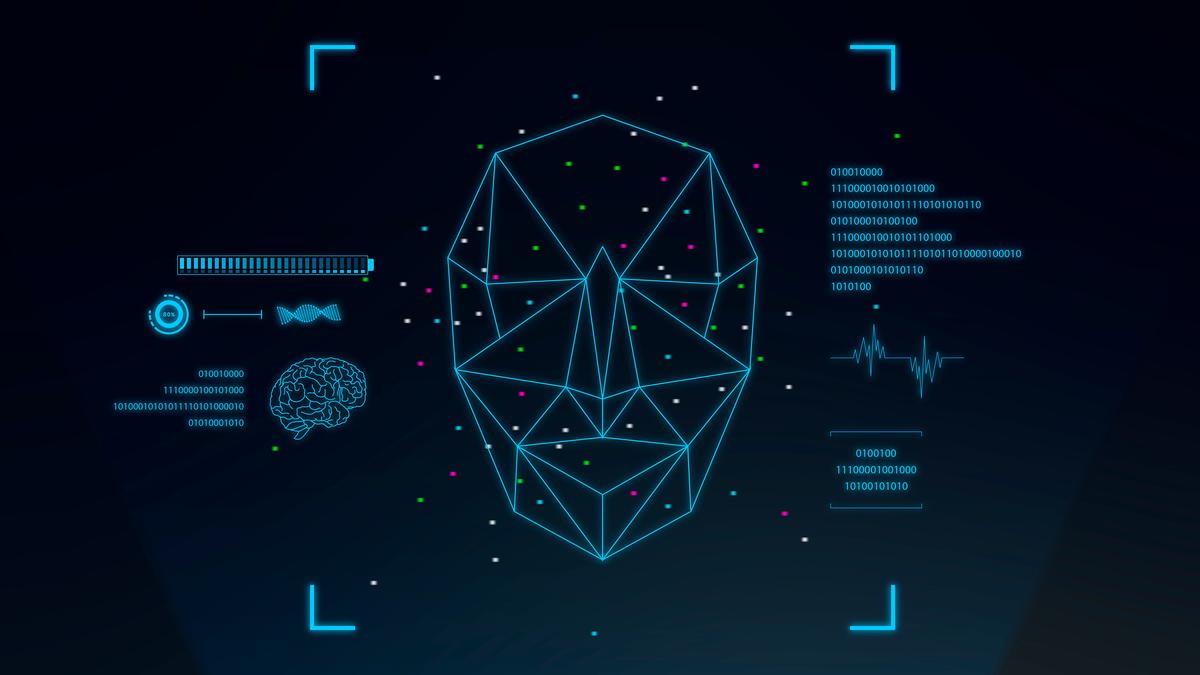
Facial recognition systems (FRS) operate by capturing digital images of faces and converting them into biometric data that can be compared against existing databases. The technology identifies distinctive facial features—such as the distance between eyes, nose shape, and jawline contours—and translates these measurements into algorithmic patterns for matching and identification purposes.
In India, facial recognition technology has been progressively integrated into various government operations. Law enforcement agencies have adopted FRS for criminal investigations, border security applications, and crowd surveillance at public gatherings. Several state police departments have deployed facial recognition tools to identify missing persons and locate suspects. The technology has also found applications in banking sectors and at transportation hubs for identity verification purposes.
Despite its operational utility, facial recognition technology in its current form presents several concerns for privacy advocates and civil liberties groups. Accuracy limitations remain problematic, particularly regarding facial recognition performance across different skin tones and demographic groups—a disparity well-documented in independent studies. The absence of comprehensive legal frameworks governing data collection, storage, and usage creates vulnerabilities for misuse. Additionally, many facial recognition deployments lack transparent consent mechanisms, raising questions about whether individuals are adequately informed when their biometric data is captured and catalogued.
Security experts emphasize that large facial recognition databases, if compromised, could expose sensitive biometric information of millions of citizens. The potential for surveillance overreach—where such systems enable tracking of individuals without judicial oversight—remains a pressing concern. Policymakers and technologists continue debating appropriate regulatory safeguards to balance law enforcement efficiency with fundamental privacy protections.