World · India Bureau
India's female workforce expands, but investment and leadership hurdles persist
Women's participation in India's labour force has shown marked improvement, yet persistent gaps in funding access and senior management positions continue to undermine progress toward workplace equality.
LSN India ·
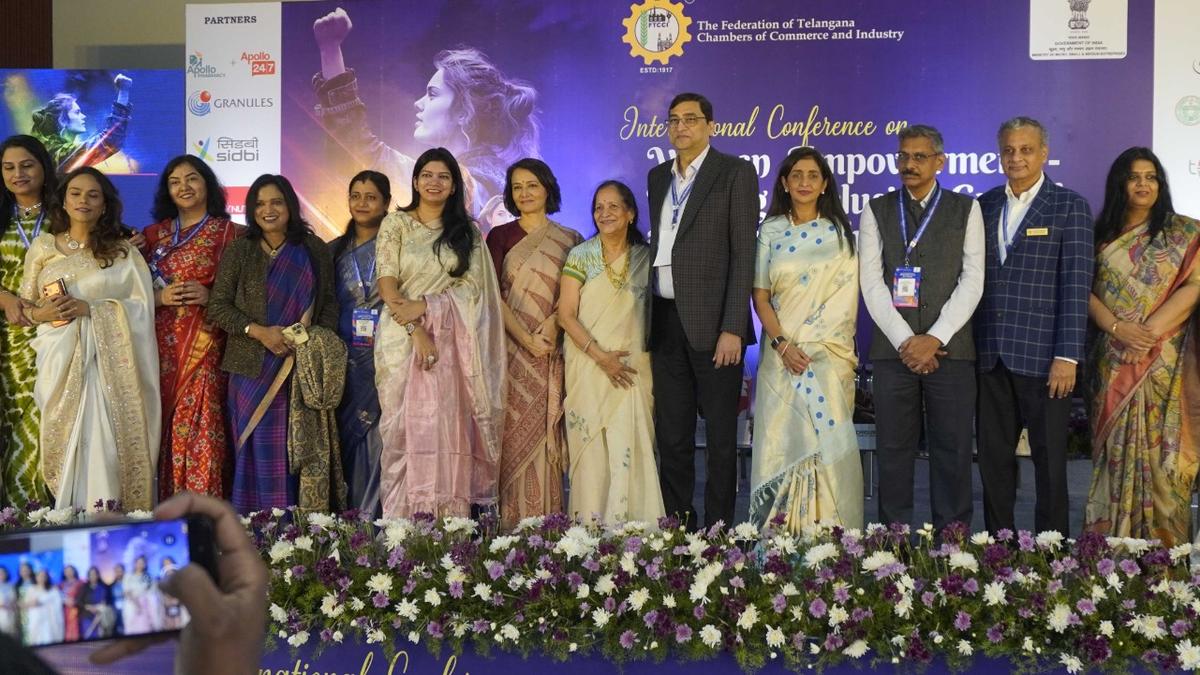
India's female workforce has expanded in recent years, with more women entering professional and entrepreneurial roles across sectors. This growth reflects changing social attitudes and increased educational opportunities for women, marking a significant shift in labour force demographics across the country.
However, structural barriers continue to limit the pace of advancement. Women entrepreneurs report difficulty accessing adequate capital and credit facilities, with financial institutions often requiring stricter collateral and personal guarantees compared to male counterparts. This funding gap constrains business growth and limits the number of women-led enterprises that can scale operations effectively.
Leadership representation remains another critical challenge. Despite rising participation rates at entry and mid-level positions, women remain significantly underrepresented in senior management and board-level roles across both public and private sectors. Industry analysts attribute this disparity to a combination of factors, including unconscious bias in promotion decisions, limited mentorship networks, and workplace cultures that have not fully adapted to supporting women in leadership pipelines.
Policy experts suggest that closing these gaps requires multifaceted intervention, including dedicated funding mechanisms for women entrepreneurs, mandatory diversity targets in corporate governance, and workplace flexibility policies that address caregiving responsibilities. Several state governments and private sector bodies have begun implementing targeted programmes, though implementation remains uneven across regions and industries.
Stakeholders emphasize that unlocking women's full economic potential would strengthen India's workforce productivity and contribute significantly to broader development goals, making workplace equality not merely a social imperative but an economic necessity.