World · India Bureau
India's founding vision: Gandhian ideals masked a centralized state
While Mahatma Gandhi's philosophy shaped India's independence struggle and global image, the architects of independent India built a strong centralized state that diverged significantly from Gandhian principles. The Republic's founders, including Jawaharlal Nehru and Sardar Vallabhbhai Patel, prioritized state power and institutional control over Gandhi's vision of decentralized, village-based governance.
LSN India ·
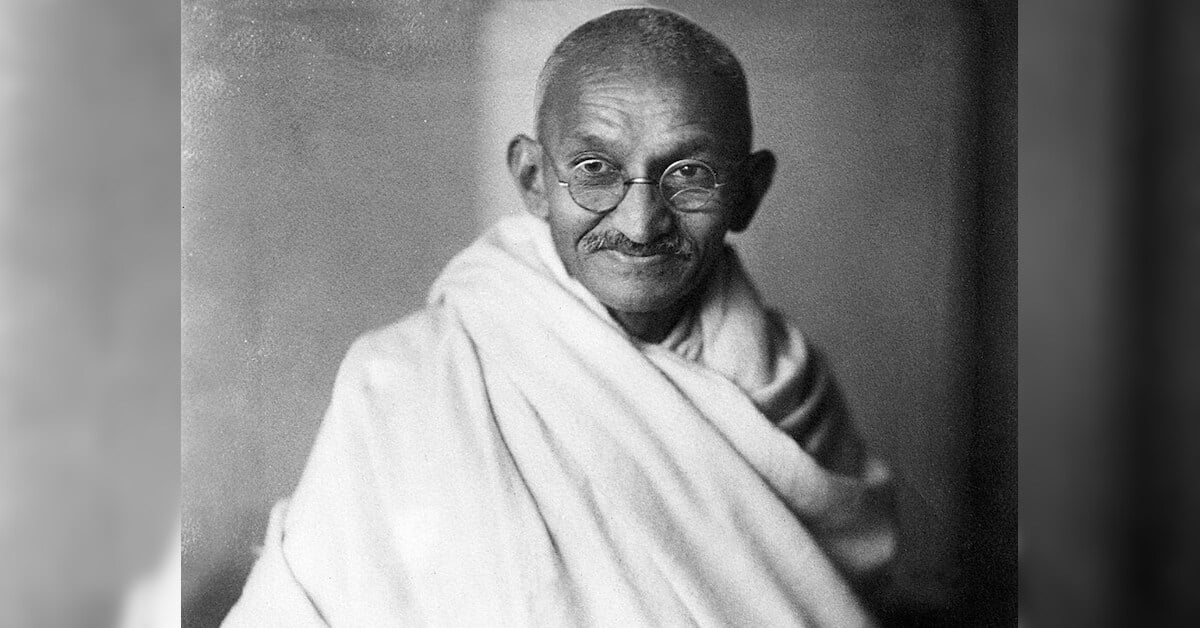
The India that emerged after independence in 1947 bore Gandhi's philosophical imprint in its constitutional values and moral authority, yet departed substantially from his core political and economic ideals. While the Mahatma's image became synonymous with the Indian independence movement and the nation's international identity, the actual architecture of the Indian state reflected a different vision altogether.
The Republic's founding architects, particularly Prime Minister Jawaharlal Nehru and Deputy Prime Minister Sardar Vallabhbhai Patel, envisioned a modern nation-state built on centralized authority, industrial development, and institutional governance. This conception of India prioritized state capacity and control over the decentralized, community-based model that Gandhi had championed throughout his political career.
Gandhi's vision for India centered on self-sufficient villages, cottage industries, and grassroots democratic participation—a stark contrast to the modern industrial state that Nehru and his contemporaries sought to build. The tension between these two philosophical approaches shaped India's developmental trajectory, with the centralized model ultimately prevailing in constitutional design and institutional practice.
The legacy of this divergence remains evident in contemporary Indian governance structures, which reflect the founding generation's emphasis on state strength and unified economic policy rather than the localized, decentralized framework Gandhi advocated. India's evolution as a modern republic thus represents not a Gandhian state, but a nation that appropriated Gandhian symbolism while pursuing fundamentally different institutional objectives.