World · India Bureau
India's fuel mix transforms as EVs and CNG challenge traditional powertrains
Electric vehicles and compressed natural gas are capturing growing market share across India's automotive sector, signalling a structural shift away from petrol and diesel dominance. The trend reflects changing consumer preferences and policy support for cleaner transportation alternatives.
LSN India ·
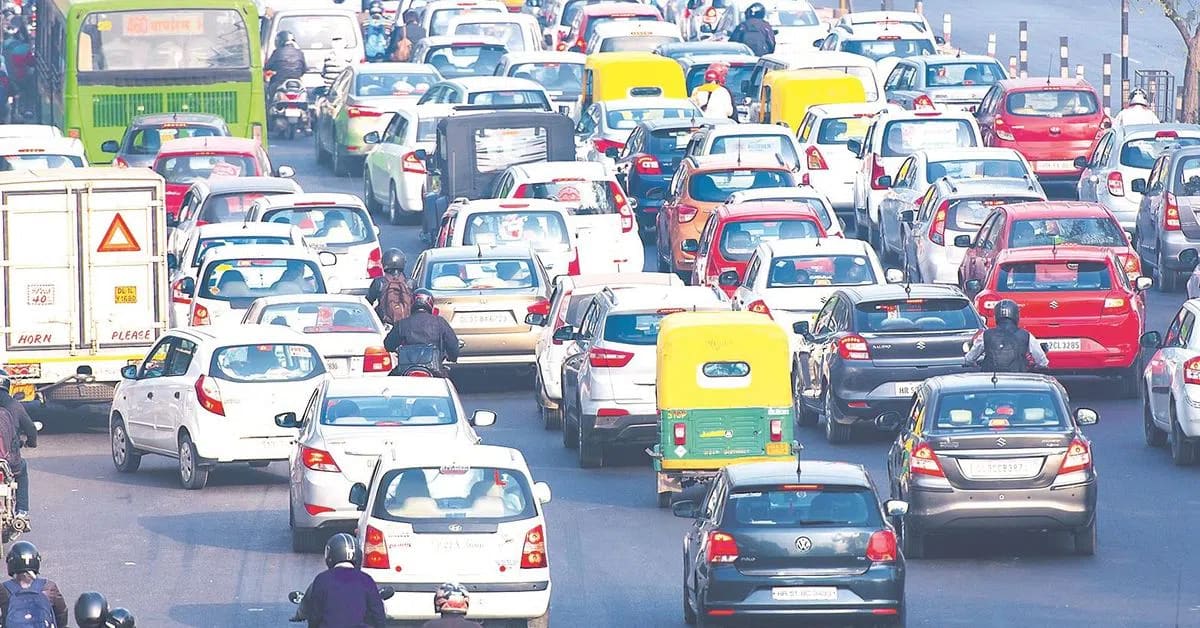
India's automobile market is undergoing a significant transition in fuel preferences, with electric vehicles and CNG-powered cars steadily eroding the traditional stronghold of petrol and diesel engines. The expansion of EV adoption across multiple vehicle segments—from two-wheelers to commercial vehicles—represents a departure from decades of petroleum fuel dependency that has characterised the Indian automotive landscape.
The growth in alternative fuel vehicles reflects a convergence of factors driving the shift. Government incentives, improved charging infrastructure, and rising environmental consciousness among consumers have bolstered EV uptake, while CNG vehicles continue to appeal to cost-conscious buyers seeking lower operating expenses. Manufacturers have responded by expanding their alternative fuel portfolios, introducing new models designed specifically for electric and gas powertrains.
Petrol and diesel vehicles, which have long dominated Indian roads, are witnessing a gradual erosion of their combined market share. This transition carries implications for energy security, urban air quality, and the automotive supply chain. Industry analysts attribute the momentum to sustained policy backing, technological improvements in battery technology, and growing affordability of green vehicles.
The fuel mix transformation remains uneven across geographic regions and vehicle categories, with metropolitan areas leading EV adoption while rural markets continue relying on conventional fuels. Nevertheless, the directional shift underscores India's broader commitment to sustainable mobility and its effort to reduce transportation sector emissions in coming years.