Sport · India Bureau
India's GEC-III Initiative Tackles Renewable Energy Generation Gap
A new framework aims to address the persistent mismatch between India's installed renewable capacity and actual electricity output. The Grid Emission Certificate scheme seeks to optimize renewable energy generation across geographic and temporal variations.
LSN India ·
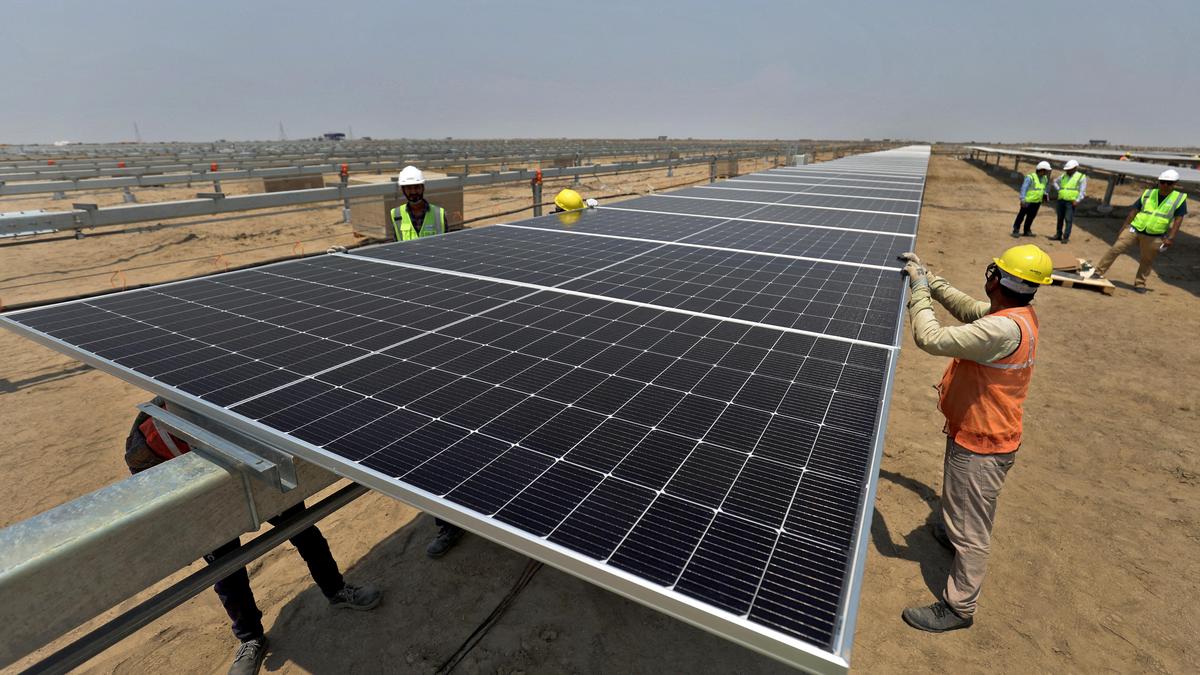
India's renewable energy sector faces a significant challenge: while the nation has substantially increased its installed capacity of solar and wind power, the actual electricity generated from these sources often falls short of expectations. This gap between capacity and output stems from geographical disparities and time-based variations in renewable resource availability across different regions.
The Grid Emission Certificate Phase III (GEC-III) initiative represents a structured approach to bridging this divide. By creating a market-based mechanism that accounts for real-world generation patterns, the framework encourages more efficient utilization of renewable assets and incentivizes better performance from generators.
The scheme recognizes that renewable energy availability fluctuates based on location and time of day. Solar installations in different states experience varying sunlight hours, while wind patterns differ seasonally and geographically. GEC-III addresses these realities by establishing certificates tied to actual generation metrics rather than mere installed capacity, creating economic incentives for optimized performance.
This market-driven approach is expected to enhance grid stability while maximizing returns on renewable investments. By aligning financial rewards with actual electricity delivery, the framework encourages operators to invest in better technology, maintenance, and forecasting capabilities. The initiative reflects India's broader efforts to achieve its renewable energy targets while maintaining reliable electricity supply across the country.