Business · India Bureau
India's Gobardhan scheme set to unlock biofuel investment potential
A comprehensive national framework combining financial incentives and infrastructure support aims to transform agricultural and animal waste into a viable, bankable investment opportunity for India's emerging biofuel sector.
LSN India ·
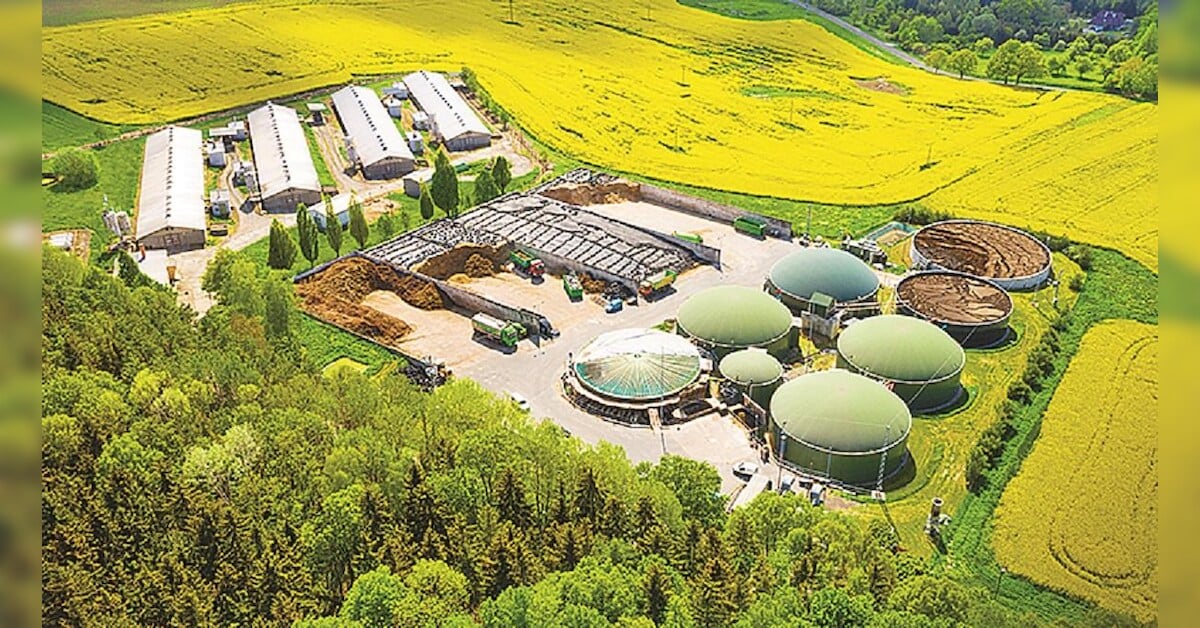
India's Gobardhan initiative represents a significant policy shift toward monetizing agricultural and animal waste, traditionally viewed as a disposal challenge rather than a resource. The scheme integrates three critical support mechanisms—capital grants for project development, guaranteed offtake arrangements, and dedicated infrastructure funding—creating conditions for private investment in waste-to-energy projects.
The framework addresses longstanding barriers that have hindered India's biofuel expansion. By providing upfront capital support and ensuring predictable revenue streams through offtake guarantees, the scheme reduces financial risk for investors and makes biofuel projects bankable for lending institutions. This institutional backing is expected to unlock significant private capital previously unavailable to the sector.
Agricultural waste, particularly crop residues and animal manure, represents an underutilized resource base across India's farming communities. The Gobardhan approach positions this waste as a legitimate asset class, creating value chains that benefit farmers, entrepreneurs, and energy consumers. Such circular economy models align with India's broader renewable energy and sustainability objectives.
Industry observers anticipate the scheme could accelerate biofuel adoption across India, particularly in rural and agricultural regions. Success will depend on effective implementation, transparent allocation of grants, and sustained coordination between central and state authorities overseeing project development and monitoring.