Business · India Bureau
India's green hydrogen mission struggles with cost and execution delays
Nearly four years after its launch, India's ambitious green hydrogen initiative faces mounting headwinds from high production costs and sluggish project implementation. Industry analysts say government purchase mandates and long-term contracts are critical to reviving momentum.
LSN India ·
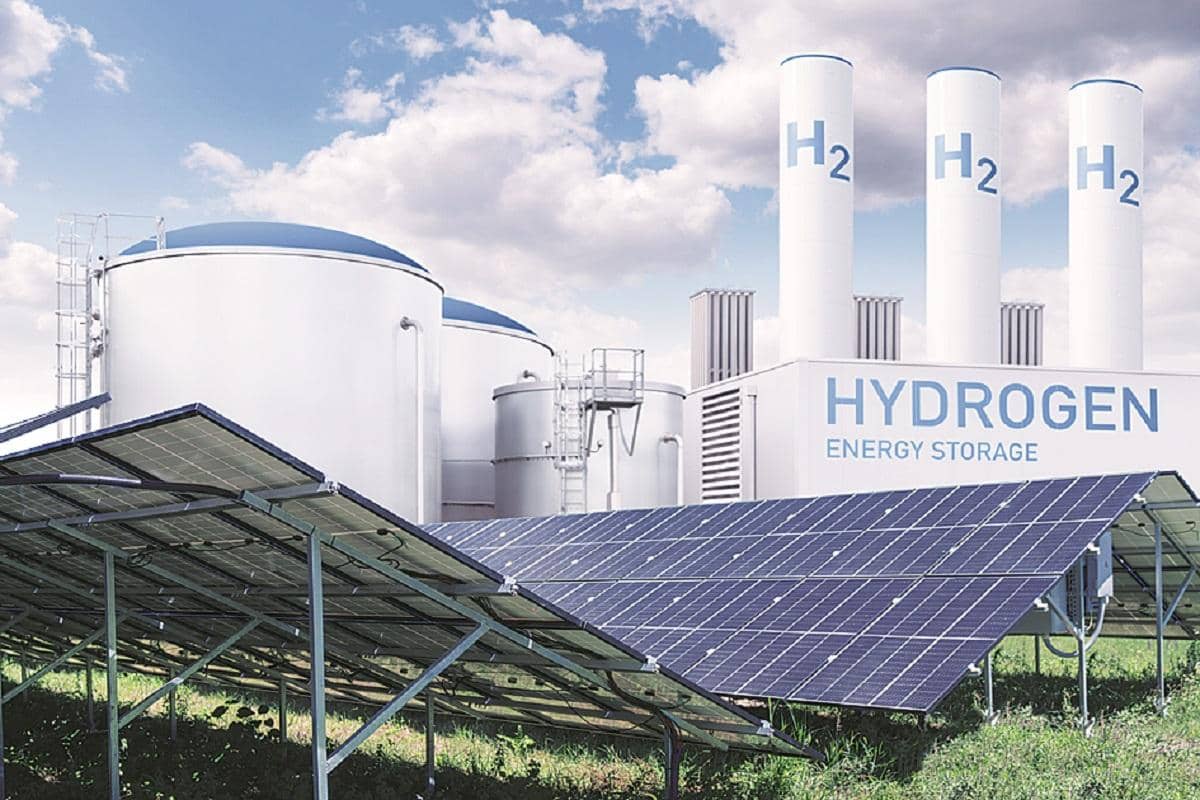
India's green hydrogen mission, designed to position the country as a global leader in clean fuel production, is encountering significant practical and financial obstacles that threaten to derail its trajectory. Since its inception, the programme has grappled with elevated manufacturing costs that make green hydrogen uncompetitive against conventional fuels and grey hydrogen produced from fossil fuels. The combination of expensive electrolysis technology and limited renewable energy infrastructure has created a challenging landscape for project developers seeking to scale operations.
Execution timelines have slipped considerably, with multiple projects facing delays in construction and commissioning phases. Developers cite regulatory uncertainties, land acquisition challenges, and the need for substantial upfront capital investment as key impediments. The absence of a clear commercial framework has further complicated matters, leaving investors uncertain about long-term profitability and project viability.
Industry experts have identified two critical levers for accelerating the mission's progress. Government purchase mandates requiring industrial facilities and refineries to procure specified volumes of green hydrogen could guarantee demand and enable producers to secure bankable contracts. Similarly, long-term offtake agreements with anchor buyers would provide the revenue certainty necessary to attract institutional capital and reduce financing costs.
Without immediate policy interventions to address demand creation and contract certainty, analysts warn that India's green hydrogen ambitions risk falling further behind schedule, potentially ceding market opportunities to other nations advancing cleaner production technologies at faster pace.