World · India Bureau
India's Growing SUV Market Strains Roads, Traffic Infrastructure
As sport utility vehicles gain popularity among Indian consumers, urban planners and transport experts warn that the trend is exacerbating congestion and placing unsustainable pressure on already-strained road networks. The surge in SUV sales raises questions about whether India's infrastructure can accommodate the vehicle class's size and prevalence.
LSN India ·
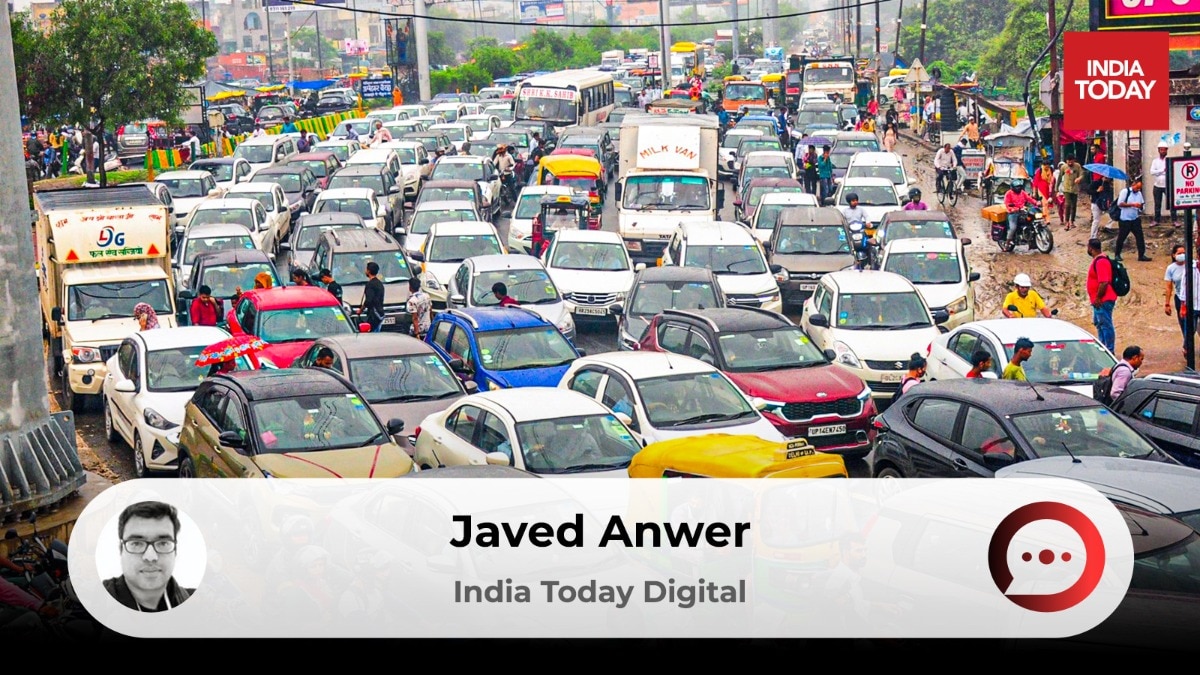
India's automotive market has witnessed a sharp uptick in sport utility vehicle purchases over recent years, with consumers increasingly opting for larger vehicles despite congestion challenges in major metropolitan areas. The preference for SUVs, driven by improved incomes and changing lifestyle aspirations, has prompted concerns among transport analysts about the sustainability of current road infrastructure and traffic management systems.
Urban planners point out that India's roads, particularly in densely populated cities, were not designed to accommodate vehicles of this size at the scale now being seen. The proliferation of larger vehicles has contributed to narrower effective lane widths, reduced maneuverability in congested areas, and increased pressure on parking facilities. Traffic experts suggest that a collective reassessment of vehicle choices is necessary to address the mounting challenges faced by Indian cities.
The mismatch between vehicle trends and infrastructure capacity reflects a broader conversation about sustainable urban mobility in India. Advocates for traffic management reform argue that policymakers and consumers alike must confront the realities of the nation's transportation networks. Without intervention or a shift in purchasing preferences, congestion and safety concerns are likely to intensify in the years ahead, they warn.
The issue touches on multiple dimensions of urban planning, from road capacity and environmental concerns to parking availability and public transportation investment. As India continues to urbanize and middle-class incomes rise, decisions made today about vehicle preferences could have long-term consequences for the livability and functionality of Indian cities.