World · India Bureau
India's Historic Tiger Hunting Program: Government's Conservation Paradox Examined
Historical records reveal India's government once actively promoted tiger hunting to international sportsmen as a revenue-generating initiative. The practice, which contradicts modern conservation efforts, offers insights into the nation's evolving wildlife policy.
LSN India ·
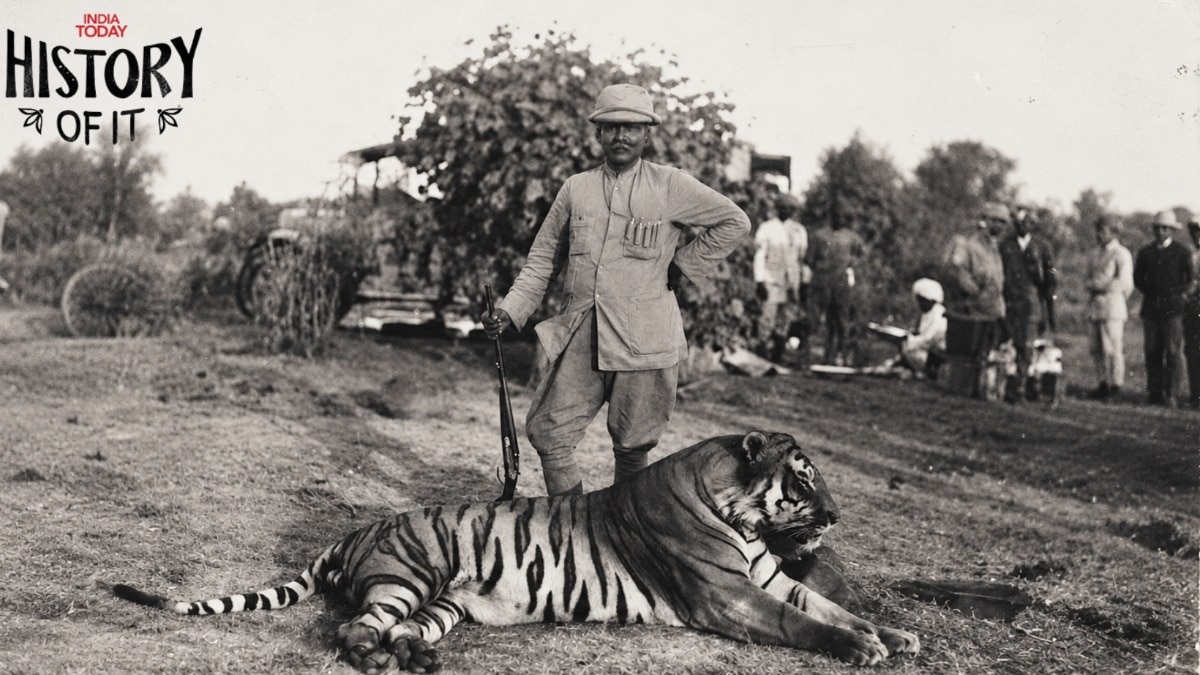
India's approach to wildlife management underwent a dramatic transformation over the decades, with historical documentation suggesting the government once marketed tiger hunts to foreign visitors as a commercial enterprise. During an earlier era, authorities positioned tiger shooting as an accessible activity for international sportsmen, with minimal financial barriers to participation. This strategy represented a starkly different philosophy from today's tiger conservation initiatives.
The shift in policy reflects changing global attitudes toward wildlife preservation and India's commitment to protecting endangered species. Modern conservation frameworks have replaced the trophy-hunting model, with the government now implementing comprehensive protection measures including Project Tiger, habitat restoration, and anti-poaching operations across numerous wildlife reserves.
Examining this historical chapter reveals how economic incentives and conservation priorities have realigned over time. The transition from hunting promotion to species protection underscores India's recognition of the ecological and cultural significance of tigers, which occupy a central place in the nation's natural heritage and mythology.
Today, India houses the world's largest tiger population, with numbers showing recovery in recent years due to stringent protective measures and international cooperation. The contrast between past policies and current conservation strategies demonstrates how scientific understanding and global environmental consciousness have reshaped governmental approaches to wildlife management in South Asia.