World · India Bureau
India's hyperlocal languages hold two lakh undocumented everyday words
Karnataka's Dravidian language authority has identified over 200,000 hyperlocal words used in daily conversations across South India that remain unrecorded in formal documentation. The discovery highlights the vast linguistic diversity embedded in regional speech patterns that traditional dictionaries have yet to capture.
LSN India ·
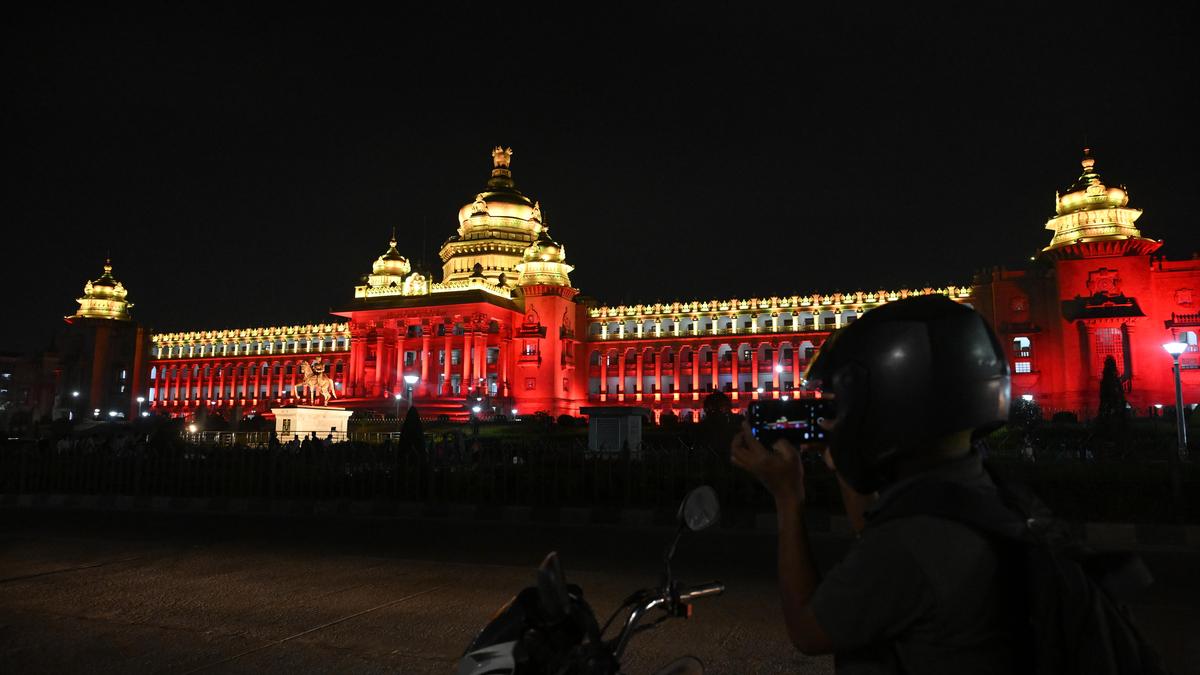
Regional language experts in India have flagged a significant gap in linguistic documentation, with over two lakh hyperlocal words used in everyday communication remaining absent from official records. According to KDA Chairman Purushottama Bilimale, these colloquial terms form an integral part of how people in South India greet each other, conduct business, and interact within their communities, yet they exist largely outside the scope of formal language archives.
The hyperlocal vocabulary encompasses region-specific variations of common expressions, including diverse ways to ask simple questions like "how are you?" that differ from standardised language textbooks. These words reflect the unique cultural and social contexts of specific communities and localities, making them valuable markers of regional identity and linguistic heritage.
The identification of this vast undocumented lexicon underscores the challenge facing language preservation efforts across India. While major Indian languages are relatively well-documented, the granular, locality-specific vocabulary that defines everyday speech patterns among millions of speakers remains largely invisible to scholars and archivists.
Language authorities are now considering systematic documentation efforts to capture these hyperlocal expressions before they are lost to linguistic homogenisation and generational shifts. Such an initiative could provide invaluable insights into the living, evolving nature of India's regional languages and their role in maintaining distinct community identities across South and Southeast Asia's diverse linguistic landscape.