World · Singapore Bureau
India's iconic single-screen cinemas fade as multiplexes dominate
Once the beating heart of India's film culture, traditional cinema halls are disappearing as audiences shift to modern multiplex complexes. The decline marks the end of an era defined by communal viewing experiences and grassroots cinema culture.
LSN Singapore ·
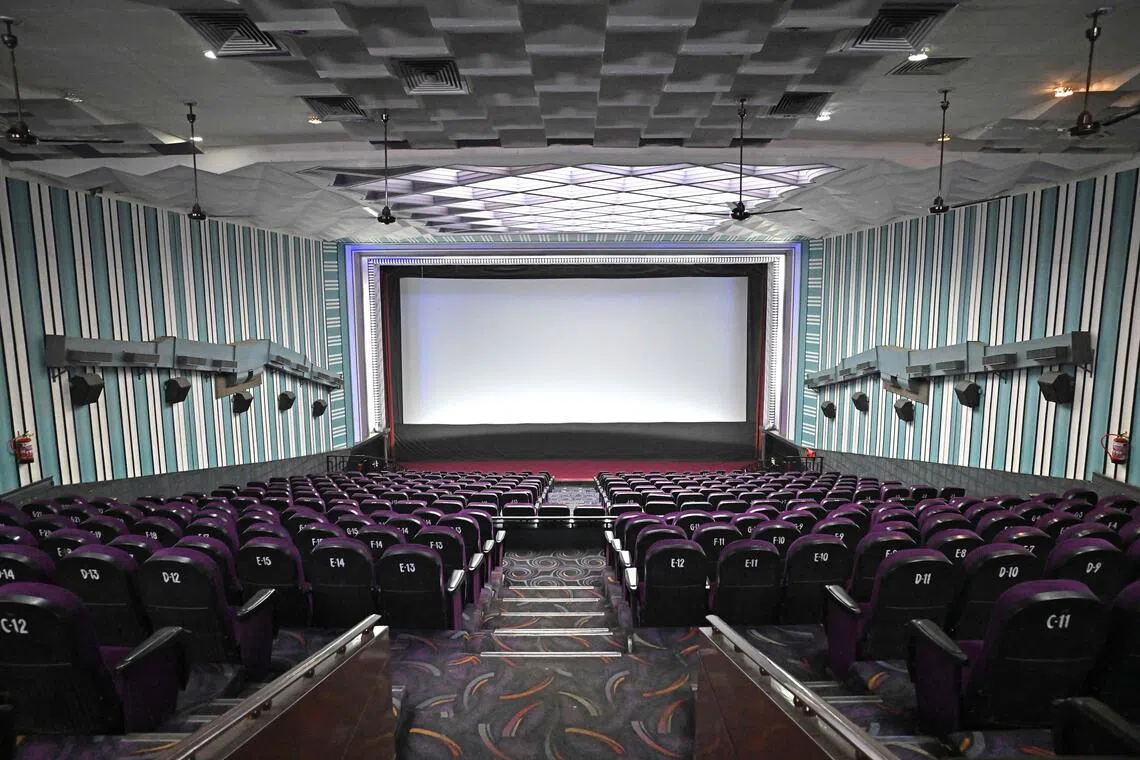
India's single-screen cinemas, which for decades served as cultural gathering spaces in towns and cities across the subcontinent, are rapidly vanishing from the landscape. These heritage venues, many dating back to the mid-20th century, provided audiences with a shared, interactive film experience that extended far beyond the screening itself—from pre-show social gatherings to post-film discussions that spilled into nearby eateries.
The transition reflects broader shifts in entertainment consumption patterns and real estate economics. Multiplex chains offering multiple screens, premium seating, and food courts have captured the majority of urban ticket sales, particularly among younger audiences. Many single-screen operators have found it economically unviable to compete, leading to closures or conversions into retail spaces, offices, or parking facilities.
Cinephiles and cultural observers note the loss extends beyond mere infrastructure. Single-screen cinemas historically nurtured diverse film appreciation, hosting regional cinema, independent productions, and foreign films alongside mainstream releases. They fostered a sense of community and cultural identity, particularly in smaller towns where cinemas served as primary entertainment destinations.
While some heritage cinemas have been restored and now operate as cultural landmarks or specialty venues, the majority continue their decline. Industry analysts suggest the trend will likely accelerate, though nostalgic efforts to preserve select historic theaters persist in major cities.