World · India Bureau
India's indigenous stealth jet programme races against Pakistan's Chinese alternative
As India pursues its homegrown Advanced Medium Combat Aircraft (AMCA) project, Pakistan's reliance on Chinese stealth fighter technology presents a strategic challenge for New Delhi's aerospace ambitions in the region.
LSN India ·
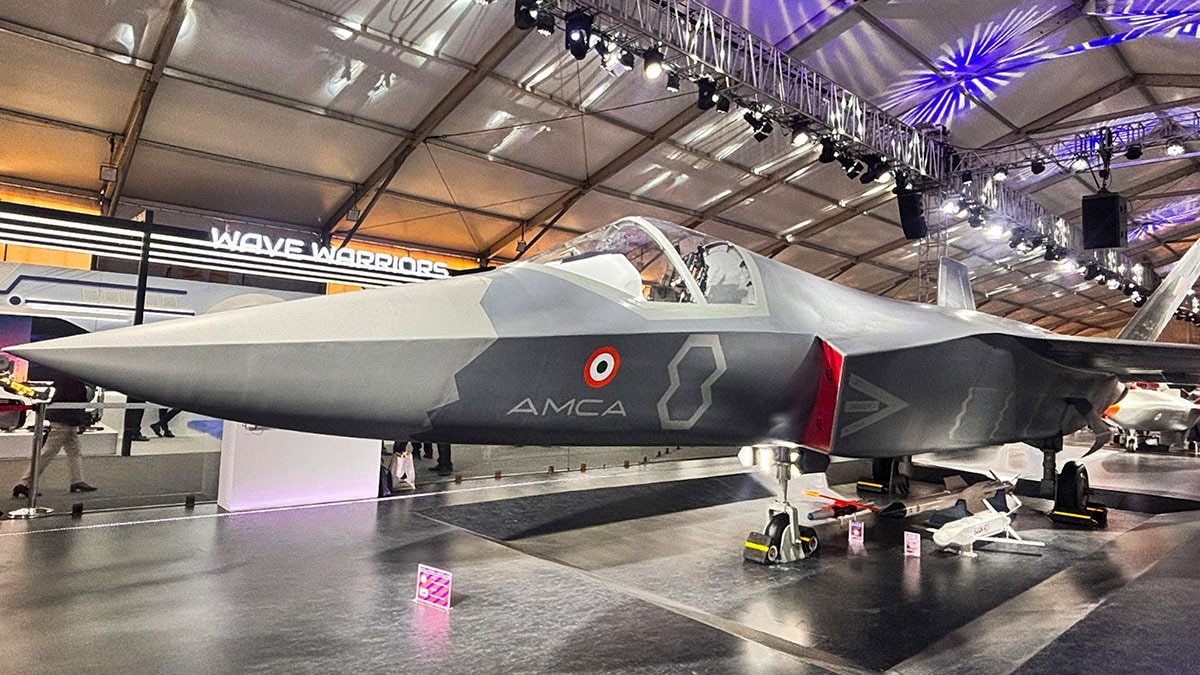
India's defence establishment faces mounting pressure to accelerate its Advanced Medium Combat Aircraft (AMCA) development programme as Pakistan increasingly leans on Chinese technological solutions for fifth-generation fighter capabilities. The divergent approaches underscore competing strategies in South Asia's military modernisation race, with India pursuing an indigenous path while Islamabad opts for rapid acquisition through foreign partnerships.
The AMCA programme, spearheaded by the Defence Research and Development Organisation (DRDO) and Hindustan Aeronautics Limited (HAL), aims to deliver a domestically-designed stealth fighter with advanced capabilities. However, the project's timeline extends over several years, requiring substantial investment in research, testing, and manufacturing infrastructure across multiple technological domains including aerodynamics, materials science, and sensor integration.
Pakistan's partnership with China for advanced fighter platforms offers a faster alternative, leveraging mature technologies and established production facilities. This approach allows Islamabad to field modern combat aircraft within shorter timeframes, though at the cost of technological independence and customisation options. The strategic implications extend beyond mere hardware acquisition, affecting operational doctrine, supply chain autonomy, and long-term defence planning for both nations.
Industry observers note that India's decision to pursue indigenous development carries inherent risks and delays but promises greater strategic autonomy and technological self-reliance. The success of the AMCA programme depends on sustained funding, technical breakthroughs, and effective project management. Meanwhile, regional security dynamics continue to evolve as both nations invest heavily in modernising their respective air forces to maintain operational credibility.