Politics · India Bureau
India's industrial policies face scrutiny over gender, wage gaps
A comprehensive examination of India's industrial policy framework reveals persistent challenges around gender discrimination and unequal pay that require urgent policymaker attention. The analysis offers critical lessons for reshaping employment practices across the manufacturing sector.
LSN India ·
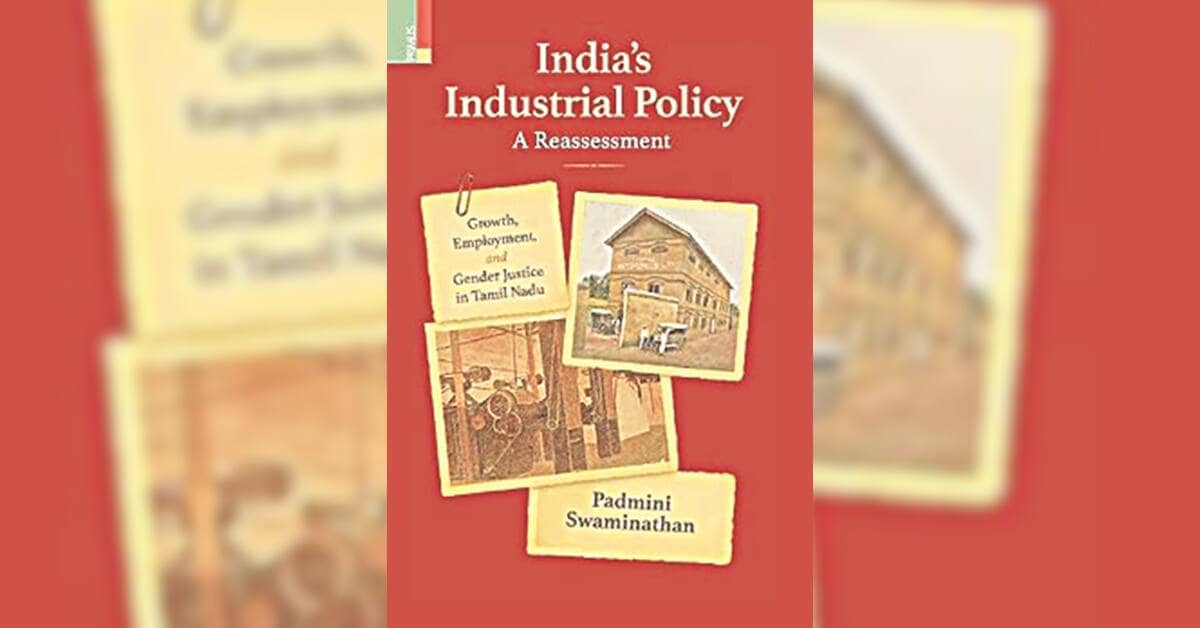
India's approach to industrial policy has long grappled with structural inequalities that extend far beyond production efficiency and economic output. A detailed review of policy developments over recent decades shows how gender bias has become embedded in employment practices, wage structures, and workforce participation across India's industrial landscape.
The research traces how successive policy frameworks have failed to adequately address equal pay provisions and discriminatory hiring practices that disproportionately affect women workers. Despite legislative measures aimed at promoting workplace equity, implementation gaps have allowed informal practices to persist in factories and manufacturing units nationwide.
Experts argue that policymakers have overlooked the economic benefits of addressing these disparities head-on. When women face systematic wage discrimination and limited advancement opportunities, the entire industrial ecosystem suffers from reduced productivity and talent underutilization.
The findings underscore the need for industrial policy reforms that move beyond traditional metrics focused solely on growth and investment. Specialists contend that integrating gender equity and fair compensation standards into policy design could strengthen India's competitive position while improving labour standards. As India seeks to expand its manufacturing base, addressing these foundational issues has become critical for sustainable industrial development.