Business · India Bureau
India's inshore fisheries face degradation despite sustainability claims
While government assessments suggest most of India's marine fish stocks remain sustainable, experts warn that inshore fishing grounds continue to deteriorate. Improved coastal governance and stricter regulation of mechanised trawling are critical to securing the sector's long-term viability.
LSN India ·
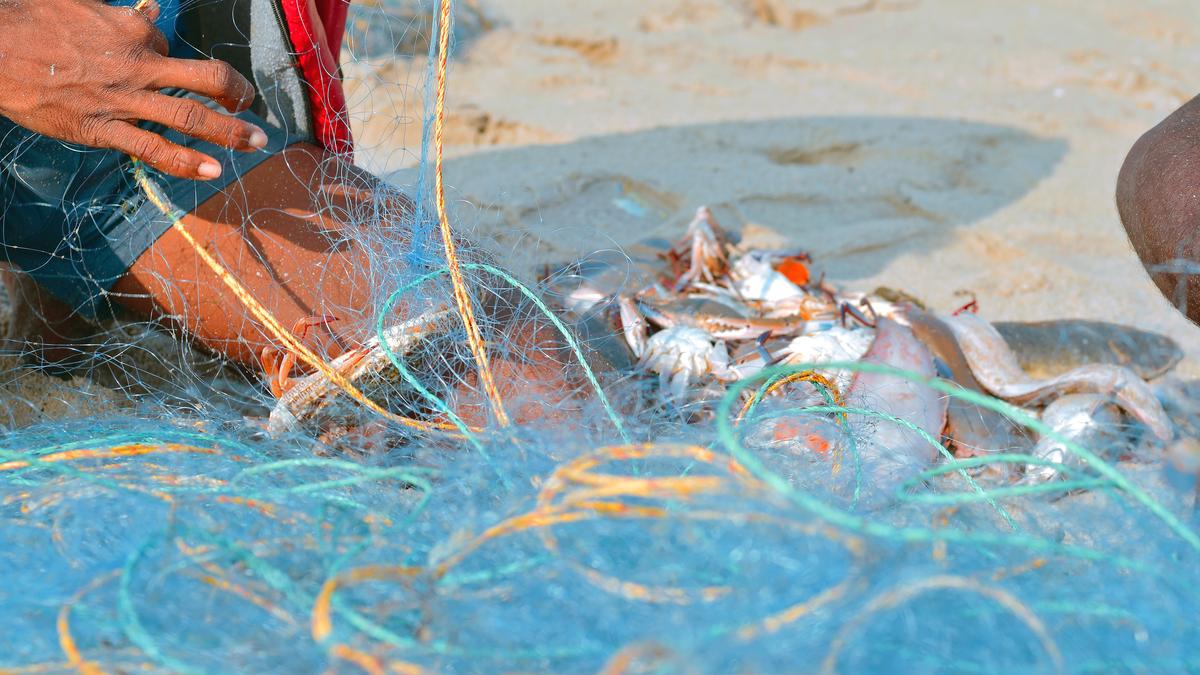
India's fisheries management faces a credibility gap, with official declarations of sustainability masking serious environmental pressures in coastal waters. Government data indicating that the majority of the country's marine fish stocks are being harvested sustainably provides little reassurance to scientists and fishing communities witnessing firsthand the degradation of inshore ecosystems that support livelihoods across India's maritime states.
The disconnect between official metrics and on-ground conditions reflects a broader governance challenge. Inshore fishing grounds, which have traditionally served as nurseries for juvenile fish and breeding grounds for commercially important species, are experiencing mounting stress from unregulated and poorly monitored fishing practices. These shallow coastal waters, vital to both artisanal and small-scale fishers, face competing pressures from pollution, coastal development, and industrial fishing operations.
Mechanised trawling has emerged as a particular flashpoint. Bottom trawlers operating in shallow inshore zones damage seafloor habitats and deplete fish populations before stocks can replenish. The practice disproportionately affects smaller, traditional fishers who lack the technology or capital to compete, while contributing little to broader food security given the high operational costs involved.
Experts contend that sustainable fisheries management requires more rigorous governance frameworks and enforcement mechanisms in India's coastal waters. Strengthened regulations on trawler operations, seasonal closures aligned with fish breeding cycles, and enhanced monitoring systems are essential. Without such measures, India risks sacrificing the productivity of its inshore fisheries—upon which millions depend—for short-term catches that mask longer-term ecological decline.