World · India Bureau
India's ISRO launches advanced Earth observation satellite for disaster management
The Indian Space Research Organisation successfully deployed the GISAT-1A satellite on September 4, 2026, via GSLV-F17 rocket. The spacecraft will provide high-resolution imagery of India every 30 minutes from geostationary orbit, supporting disaster response and agricultural monitoring.
LSN India ·
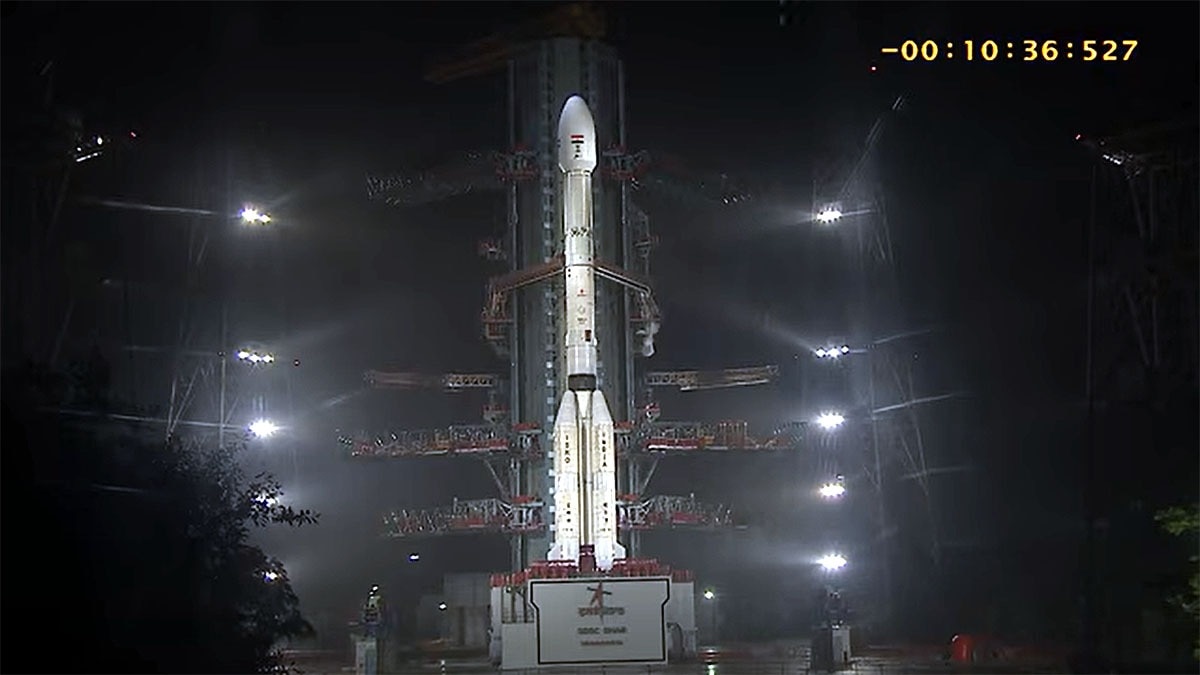
India's space agency achieved another milestone in its Earth observation capabilities with the launch of GISAT-1A, designated as EOS-05, aboard a GSLV-F17 rocket on Wednesday. The satellite has been positioned at an altitude of 36,000 kilometres in geostationary orbit, enabling continuous surveillance of the Indian subcontinent.
The spacecraft's primary mandate encompasses rapid imaging of the country at 30-minute intervals, providing critical real-time data for disaster management operations. This frequent revisit capability will allow authorities to monitor natural calamities such as floods, cyclones, and earthquakes with unprecedented temporal resolution, facilitating faster response and recovery efforts.
Beyond disaster management applications, GISAT-1A is designed to support agricultural monitoring and resource management across India's farming regions. The satellite's advanced imaging payloads will enable crop health assessment, irrigation planning, and soil moisture monitoring, contributing to enhanced agricultural productivity.
The mission represents India's growing self-reliance in developing indigenous capabilities for Earth observation. With this launch, ISRO continues to strengthen its constellation of remote sensing satellites dedicated to serving national development priorities and civilian applications across the South Asian region.