Business · India Bureau
India's Jwala drone interceptor faces cost-effectiveness challenge
As affordable drone technology proliferates across the region, India's defense establishment grapples with developing cost-effective counter-drone systems that can be deployed repeatedly without straining military budgets. The economics of air defense are being fundamentally reshaped by the rise of inexpensive unmanned aerial vehicles.
LSN India ·
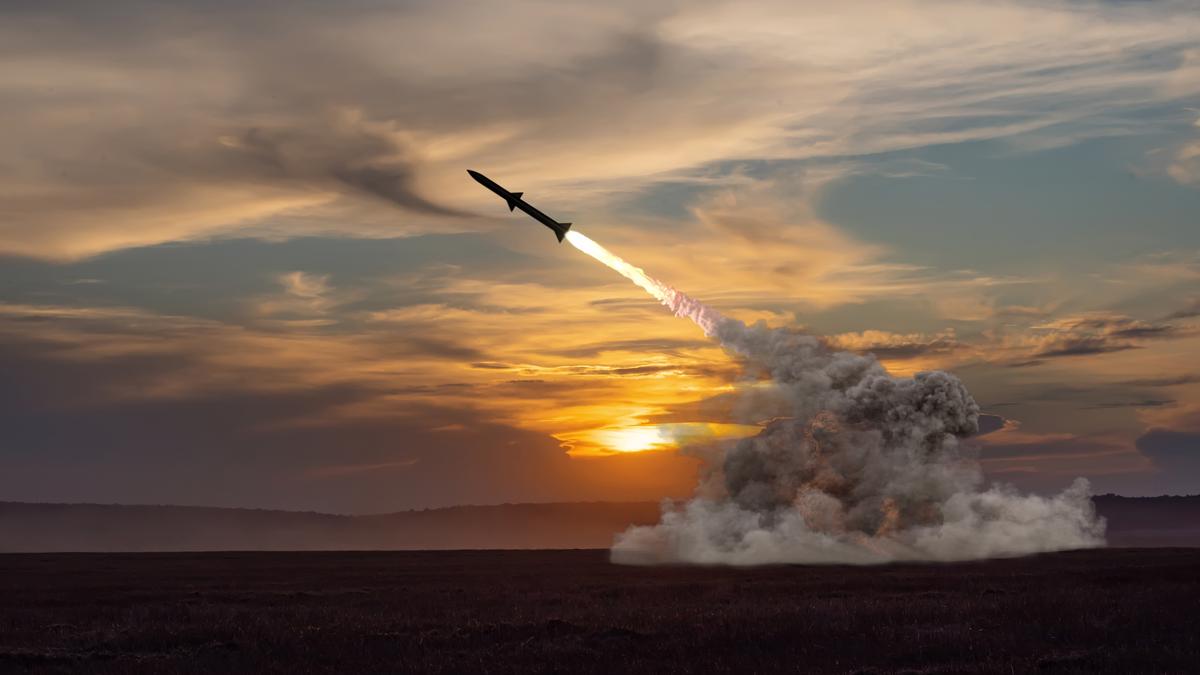
The proliferation of low-cost drone technology has fundamentally altered India's air defense calculus, forcing military planners to rethink strategies for protecting bases, troops, and critical infrastructure. Traditional air defense systems, designed for manned aircraft threats, prove economically impractical against swarms of inexpensive unmanned vehicles. This paradigm shift has placed significant emphasis on developing interceptor systems that can match the affordability of modern drones while maintaining operational reliability.
India's Jwala counter-drone system exemplifies this challenge. Defense officials and analysts acknowledge that effective protection against drone threats requires interceptors that can be deployed repeatedly across multiple locations without prohibitive costs. Unlike conventional surface-to-air missiles, which cost millions per unit, emerging counter-drone solutions must achieve a fundamentally different cost-to-deployment ratio to remain viable in an era of asymmetric aerial threats.
The economic constraints are particularly acute given India's need to secure extensive military installations, forward deployment areas, and sensitive civilian infrastructure spread across the subcontinent. Repeated use of expensive interceptors becomes unsustainable, yet gaps in coverage invite tactical exploitation. This has prompted increased focus on developing indigenous systems that balance performance, reliability, and affordability.
Defense manufacturers and military procurement agencies across South Asia face mounting pressure to innovate solutions that address this cost-effectiveness paradox. The race to develop affordable, reliable counter-drone capabilities has become central to regional defense strategies, reflecting broader concerns about emerging aerial threats in an increasingly contested security environment.