Sport · Singapore Bureau
India's kitchen hygiene crackdown fuelled by social media scrutiny
Indian authorities are intensifying inspections of food preparation facilities amid widespread public outcry on social media platforms. Critics, however, question whether enforcement efforts prioritise publicity over substantive food safety improvements.
LSN Singapore ·
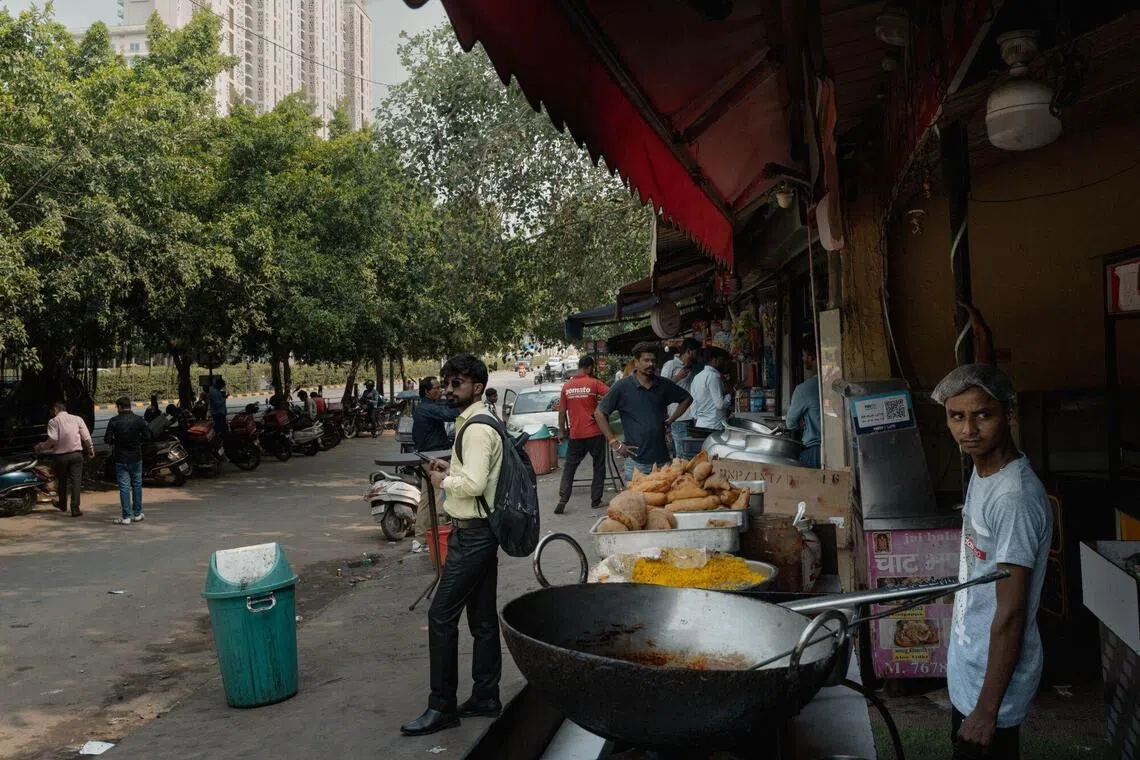
India's regulatory bodies have launched aggressive inspections of commercial kitchens and food establishments, riding a wave of online activism that has exposed unhygienic practices through viral videos and social media campaigns. The heightened enforcement comes as consumers increasingly document and share images of substandard food preparation conditions, putting pressure on government agencies to demonstrate visible action.
While the crackdowns have resulted in closure notices and fines against numerous establishments, observers caution that much of the activity may be driven by the need for authorities to appear responsive to public sentiment rather than by comprehensive food safety strategy. The spectacle of raids and dramatic closures generates headlines and public approval, experts note, but may not address underlying systemic issues in India's fragmented food industry.
Food safety advocates point out that sustainable improvements require consistent long-term oversight, adequate staffing at regulatory agencies, and investment in training for food handlers—measures that receive less public attention than headline-grabbing enforcement actions. The challenge facing Indian authorities is converting initial public momentum into durable institutional change that meaningfully reduces foodborne illness outbreaks and contamination across the country's vast informal food sector.
The tension between reactive enforcement and proactive regulation reflects broader governance challenges in implementing food safety standards across India's diverse food service landscape, which ranges from street vendors to large restaurants operating under widely varying conditions and oversight mechanisms.