Politics · India Bureau
India's KUSUM scheme harnesses solar power for agricultural water pumps
The government's flagship KUSUM programme is transforming rural agriculture by deploying solar-powered water pumps, reducing farmer dependence on grid electricity and diesel while generating additional income through surplus power sales.
LSN India ·
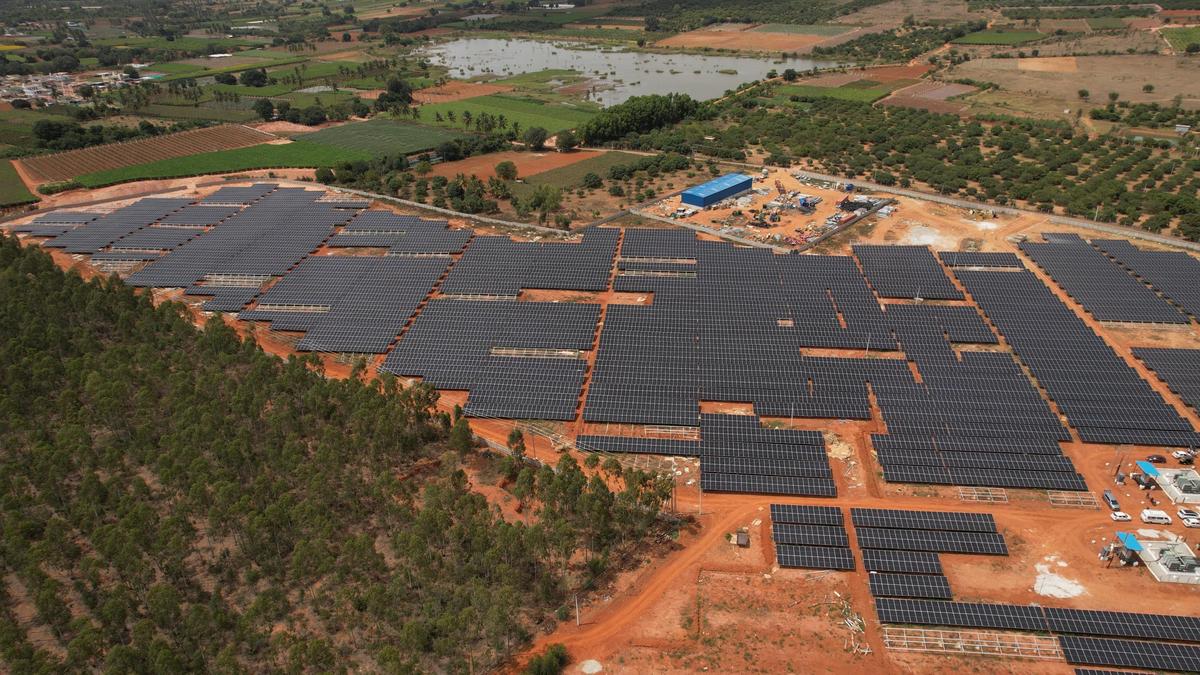
India's Kisan Urja Suraksha evam Utthaan Mahabhiyaan (KUSUM) scheme is reshaping agricultural practices across the country by coupling solar technology with irrigation infrastructure. The initiative, launched to address dual challenges of farmer distress and energy sustainability, enables agricultural communities to harness solar radiation for water pumping needs that have traditionally relied on costly diesel or erratic grid supply.
Under the programme's Component C, farmers are installing solar-powered pumpsets that operate independently of conventional electricity networks. This decoupling from grid dependency provides farmers with greater autonomy over irrigation scheduling while substantially reducing operational costs. The transition addresses long-standing challenges in rural electrification and provides a sustainable alternative to diesel consumption in farming regions.
Beyond operational savings, the scheme incorporates a revenue-generation mechanism. Farmers producing excess solar power can feed surplus electricity into the grid through aggregation models, creating an additional income stream. This dual benefit—reduced input costs combined with revenue opportunities—has catalysed farmer adoption across multiple states, particularly in regions with high solar irradiance and substantial agricultural water requirements.
The KUSUM initiative aligns with India's broader renewable energy targets while directly addressing agricultural sector challenges. By decentralising power generation at farm level, the scheme reduces pressure on state electricity boards while supporting farmer livelihoods. As implementation scales across regions, the programme demonstrates the feasibility of integrating clean energy solutions with core agricultural operations.