Business · India Bureau
India's manufacturing exports hampered by low value-addition, import dependence
India's push toward developed-nation status faces a significant structural challenge as major export sectors remain heavily reliant on imported components, limiting domestic value creation. The dependency threatens the sustainability of export-led growth and complicates efforts to achieve higher-value manufacturing.
LSN India ·
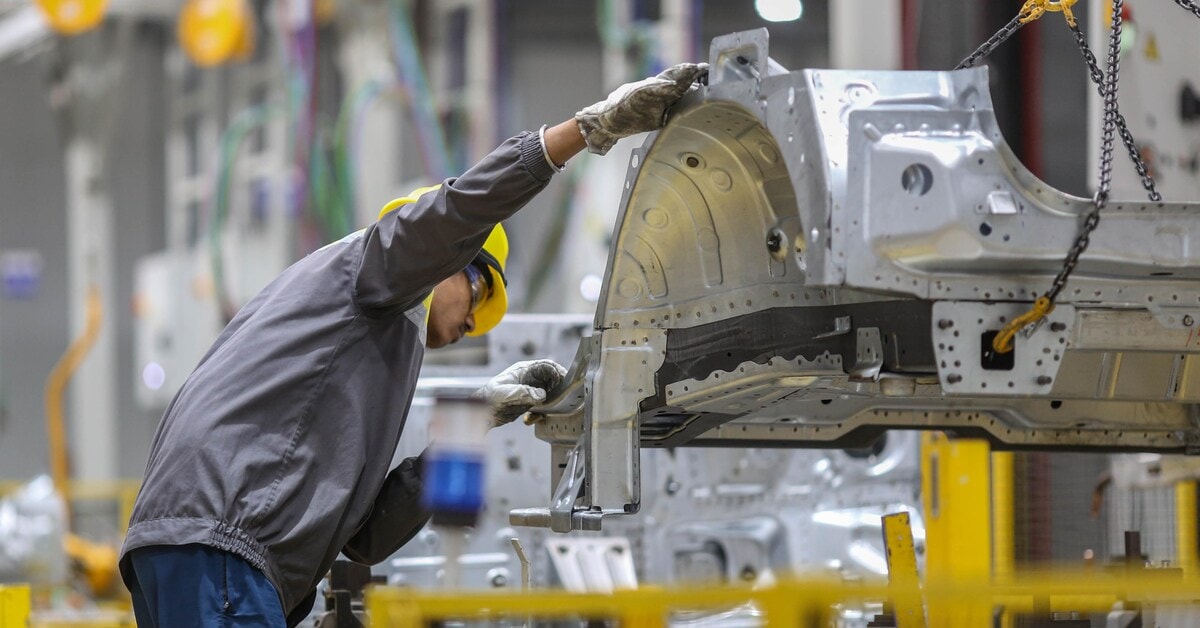
India's ambition to reach developed-nation status encounters a fundamental obstacle: its leading export sectors generate limited domestic value-addition due to heavy dependence on imported raw materials and components.
The manufacturing sector, which forms the backbone of India's export strategy, continues to rely substantially on foreign inputs rather than developing integrated domestic supply chains. This reliance constrains the multiplier effect of exports on the broader economy and limits the creation of high-skilled employment opportunities within the country.
Key export industries including electronics, automobiles, pharmaceuticals, and textiles face vulnerability from this structural weakness. While these sectors contribute significantly to India's trade position, their contribution to domestic GDP growth and employment generation remains constrained by the outflow of foreign exchange spent on component imports.
Economists and policymakers recognize that sustained development requires building deeper local supply chains and increasing the proportion of value-addition occurring within India's borders. Without addressing import dependency, even growing export volumes may fail to generate the inclusive growth necessary for developed-nation status.
The challenge underscores the need for targeted industrial policy interventions to strengthen domestic manufacturing capabilities and reduce reliance on imported inputs across priority sectors.