Business · India Bureau
India's Manufacturing Push: Which Sectors Are Truly Self-Reliant?
While India has moved beyond simple assembly operations in several key industries, structural gaps in critical components and upstream manufacturing continue to constrain domestic value addition and self-sufficiency.
LSN India ·
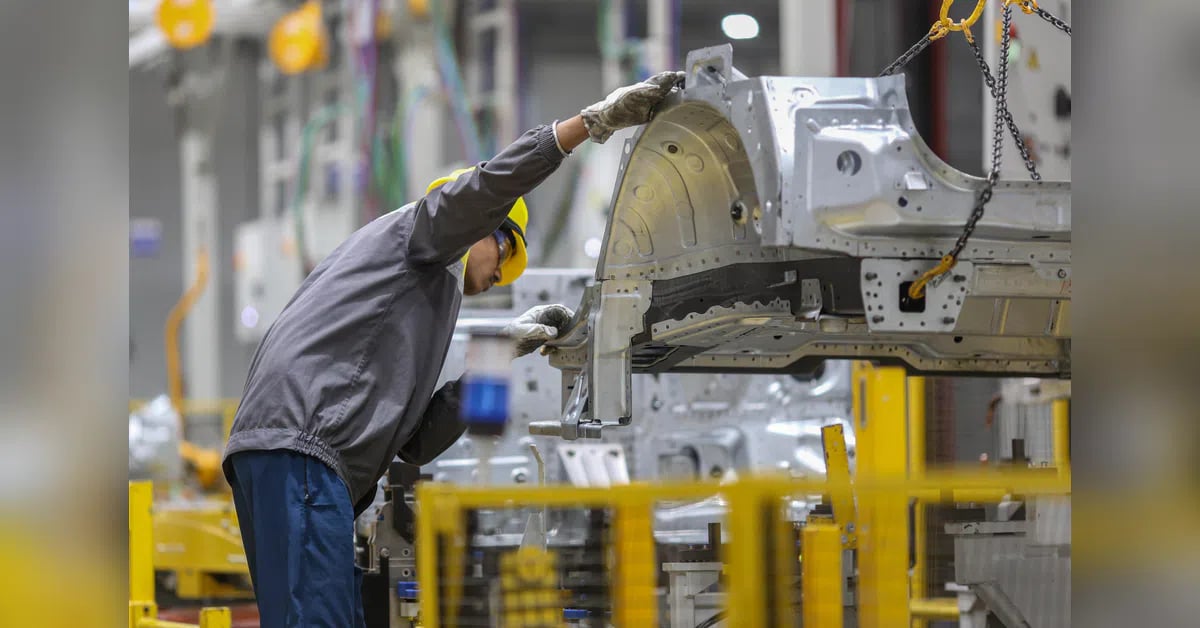
India's manufacturing sector has made significant strides in recent years, with domestic players establishing integrated production capabilities across multiple industries. However, the transition from assembly-based operations to comprehensive self-reliance remains incomplete, with considerable variance across different sectors. Some industries have achieved meaningful progress in developing local supply chains, while others continue to rely heavily on imported raw materials and components.
The automotive sector exemplifies this mixed progress. Indian manufacturers have built substantial domestic capacity for vehicle assembly and component production, yet continue to depend on foreign suppliers for advanced electronics, precision engineering components, and specialized materials. Similar patterns emerge in electronics manufacturing, where domestic assembly has expanded but upstream semiconductor fabrication and rare earth processing remain largely external dependencies.
Pharmaceuticals and textiles present contrasting cases of sectoral maturity. India's pharmaceutical industry has developed considerable expertise in drug formulation and bulk drug manufacturing, though dependence on imported active pharmaceutical ingredients persists in several therapeutic segments. The textile sector, conversely, retains integrated capabilities from raw material to finished products, reflecting decades of accumulated expertise and infrastructure development.
Expert analysis suggests that accelerating true self-reliance requires targeted investment in upstream industries—from materials science to component manufacturing—rather than focusing solely on final assembly. Infrastructure gaps in specialized manufacturing zones, limited access to advanced technology, and skill shortages in high-precision production continue to constrain broader manufacturing autonomy. Policy initiatives targeting these foundational challenges will likely determine whether India's manufacturing ambitions translate into sustainable domestic value creation.