World · India Bureau
India's Massive Siang Dam Project Faces Local Backlash in Arunachal Pradesh
New Delhi is pursuing an 11,200-megawatt hydroelectric dam on the Siang River as a strategic counter to China's water projects, but the project has triggered strong protests from indigenous communities and youth in Arunachal Pradesh who fear displacement and cultural loss.
LSN India ·
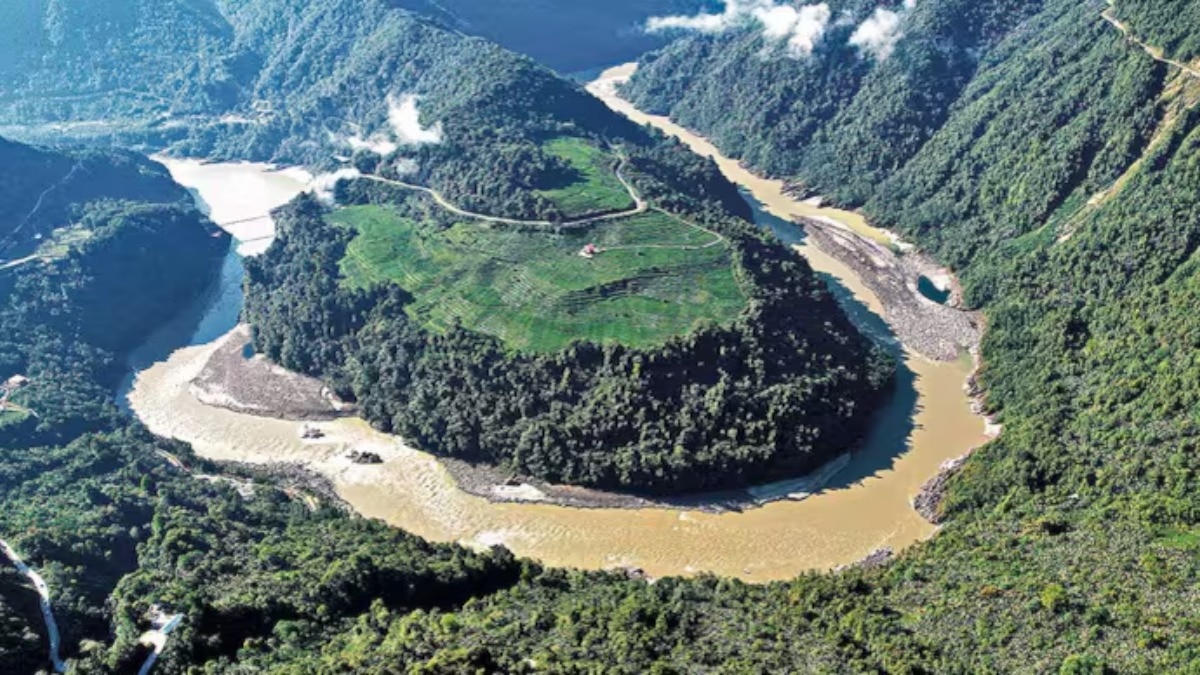
India's planned Siang Dam in Arunachal Pradesh represents a major strategic initiative aimed at countering China's hydropower ambitions on the Brahmaputra River, with officials framing the 11,200-megawatt project as a critical infrastructure buffer in the context of regional geopolitical tensions. However, the ambitious development has sparked unexpected resistance within Arunachal Pradesh itself, with local communities and younger generations mobilizing against the project's implementation.
The Adi indigenous communities, who are native to the region, have emerged as the primary voice opposing the dam. Community members express deep concerns about the loss of ancestral lands, disruption of traditional livelihoods dependent on the river, and threats to their cultural heritage. The project's footprint would significantly impact areas inhabited by these communities, whose connection to the Siang River extends back generations.
Generation Z activists in Arunachal Pradesh have joined the resistance movement, amplifying concerns about environmental sustainability and indigenous rights. The younger generation's involvement underscores growing debate about balancing national strategic interests with local community welfare and environmental protection.
The Siang Dam project reflects India's broader strategy to develop hydroelectric capacity in northeastern India while establishing water infrastructure capabilities in border regions. Yet the emergence of domestic opposition complicates implementation timelines and raises questions about how New Delhi will reconcile geopolitical objectives with the rights and concerns of affected populations.