World · India Bureau
India's monsoon rains hit 10-year low as El Niño strengthens grip
India has experienced its weakest monsoon rainfall in over a decade, with meteorologists attributing the sharp decline to the influence of El Niño weather patterns. The deficit poses significant risks to agricultural output and water availability across the country.
LSN India ·
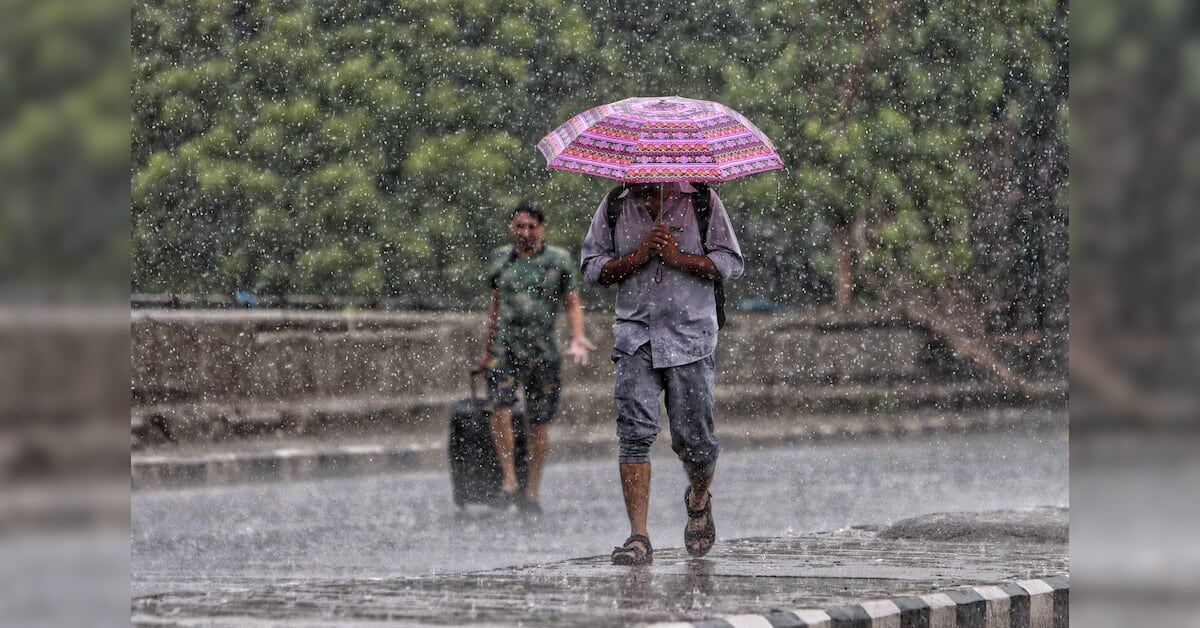
India's southwest monsoon season has delivered substantially below-average precipitation, marking the driest spell in more than ten years as the El Niño phenomenon tightens its influence over the Indian subcontinent. The weather system, characterized by warmer-than-normal sea surface temperatures in the Pacific Ocean, has disrupted traditional rainfall patterns that the nation's agriculture and water management systems depend upon.
The monsoon deficit carries far-reaching implications for the country's agrarian economy, which supports hundreds of millions of people. Farmers face mounting concerns over crop viability and irrigation constraints, while reservoir levels across agricultural regions remain critically depleted. The prolonged dry conditions have already prompted water conservation measures in multiple states.
Meteorological agencies have attributed the rainfall shortfall directly to El Niño's intensification, a cyclical climate pattern that typically suppresses monsoon activity over South Asia. The current episode follows years of more robust precipitation and represents a significant departure from recent climatic trends.
Authorities are monitoring the situation closely as the monsoon season progresses, with water management officials preparing contingency measures for drought-affected regions. Agricultural extension services have begun advising farmers on moisture-conservation techniques and crop selection strategies suited to drier conditions. The rainfall deficit underscores India's vulnerability to global climate oscillations and the challenges posed by irregular weather patterns to food security.