World · India Bureau
India's monsoon shortfall extends beyond El Niño impact
India's southwest monsoon concluded with a rainfall deficit of 13% below the long-term average, raising concerns about the compounding effects of a powerful El Niño pattern. Meteorologists warn that attributing the shortfall solely to the oceanic phenomenon overlooks other contributing atmospheric factors.
LSN India ·
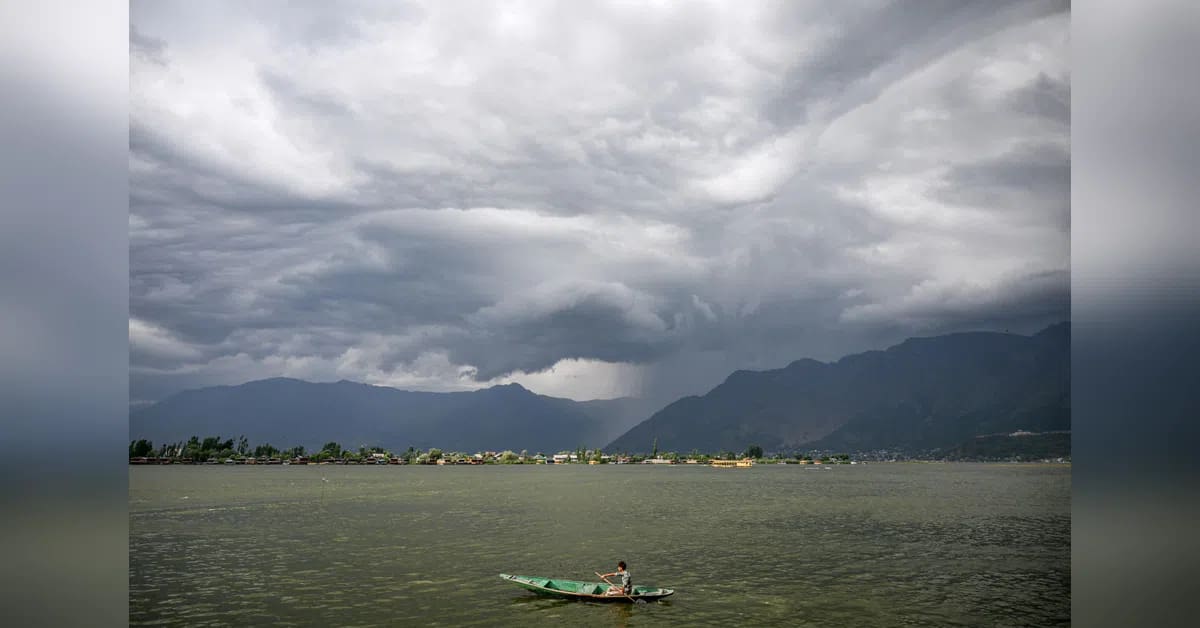
India's southwest monsoon season has drawn to a close with a significant rainfall shortfall, recording 13% below the long-period average. While meteorologists had anticipated the influence of an unusually strong El Niño—colloquially termed a 'super' or 'Godzilla' El Niño—the actual deficit suggests that multiple factors are at play in reducing precipitation across the subcontinent.
The El Niño phenomenon, characterized by warmer-than-average ocean temperatures in the equatorial Pacific, typically weakens the Indian monsoon by altering atmospheric circulation patterns. However, experts caution against attributing the entire shortfall to this single climatic driver. Other variables, including local sea surface temperatures, soil moisture conditions, and regional wind patterns, contribute materially to monsoon behavior.
The rainfall deficit carries significant implications for India's agricultural sector and water resources. With the full intensity of the Godzilla El Niño yet to fully manifest, concerns persist about sustained dry conditions in the coming months. Agricultural experts have urged farmers to adopt water-conservation measures and adjust planting schedules accordingly.
Meteorological agencies are continuing to monitor atmospheric conditions closely. Officials emphasize that understanding the complex interplay of multiple factors driving monsoon variability—rather than focusing exclusively on El Niño—is crucial for accurate forecasting and effective disaster preparedness planning across the region.