Politics · India Bureau
India's Motor Vehicles Act: Legal age limits for driving explained
Indian law strictly prohibits drivers under 18 years from operating motor vehicles on public roads, with limited exceptions for minors aged 16 and above. The Motor Vehicles Act, 1988 sets out clear provisions governing underage driving to enhance road safety.
LSN India ·
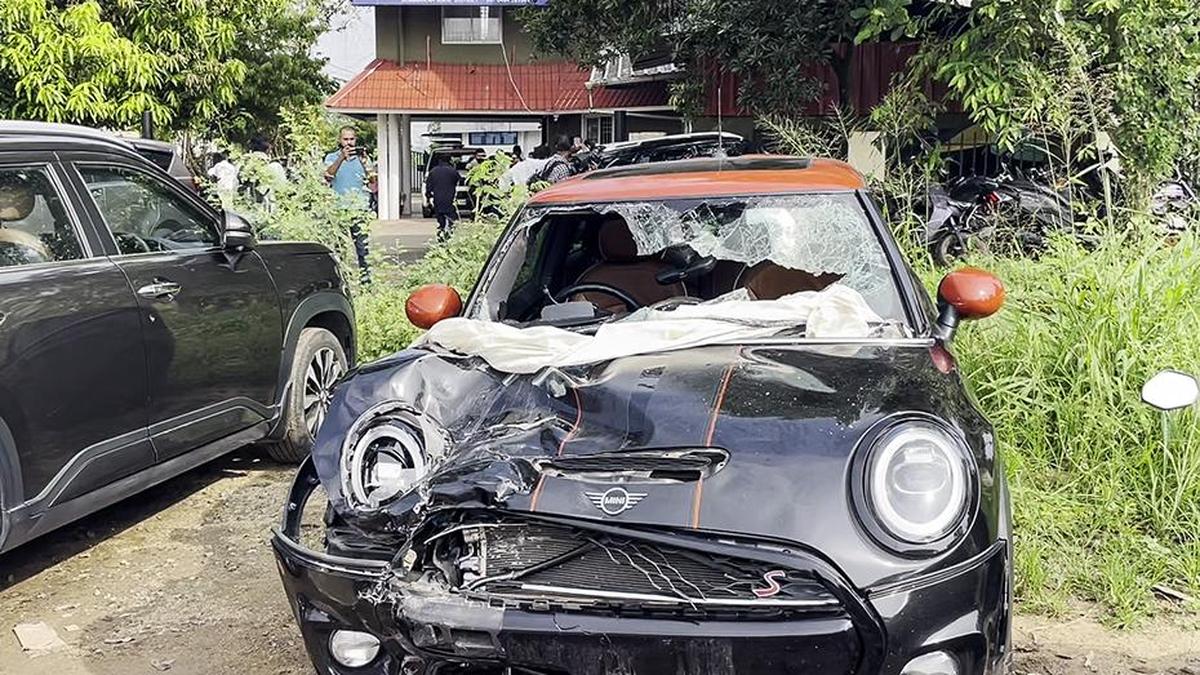
India's Motor Vehicles Act, 1988 establishes a comprehensive legal framework regulating who can legally operate vehicles on public roads. Section 4 of the Act is explicit in its prohibition: no person under the age of 18 years may drive any motor vehicle in any public place across the country.
However, the legislation does provide a narrow exemption for minors who have reached 16 years of age. Persons aged 16 and above are permitted to ride motorcycles that meet specific criteria—specifically, two-wheelers without gearboxes and with engine capacity not exceeding 50 cubic centimetres. This exception allows young riders limited mobility while maintaining stringent safety standards.
The rationale behind these age restrictions centres on developmental and safety considerations. The law recognises that younger drivers may lack the cognitive maturity, physical coordination, and judgment required to safely operate vehicles in complex traffic environments. By setting clear age thresholds and limiting younger riders to smaller, less powerful two-wheelers, the legislation attempts to balance mobility rights with public safety imperatives.
Violations of these provisions carry legal consequences under the Motor Vehicles Act. Parents and guardians remain responsible for ensuring compliance, particularly when underage individuals operate vehicles illegally. The framework reflects India's ongoing efforts to standardise road safety regulations across states and reduce accident rates among young road users.