World · India Bureau
India's mountain tourism faces reckoning after high-altitude fatalities
The death of renowned mountaineer Nirmal Purja has intensified scrutiny of safety standards and overcrowding on India's popular trekking routes. Experts warn that rapid growth in mountain tourism threatens both climbers and the fragile Himalayan ecosystem.
LSN India ·
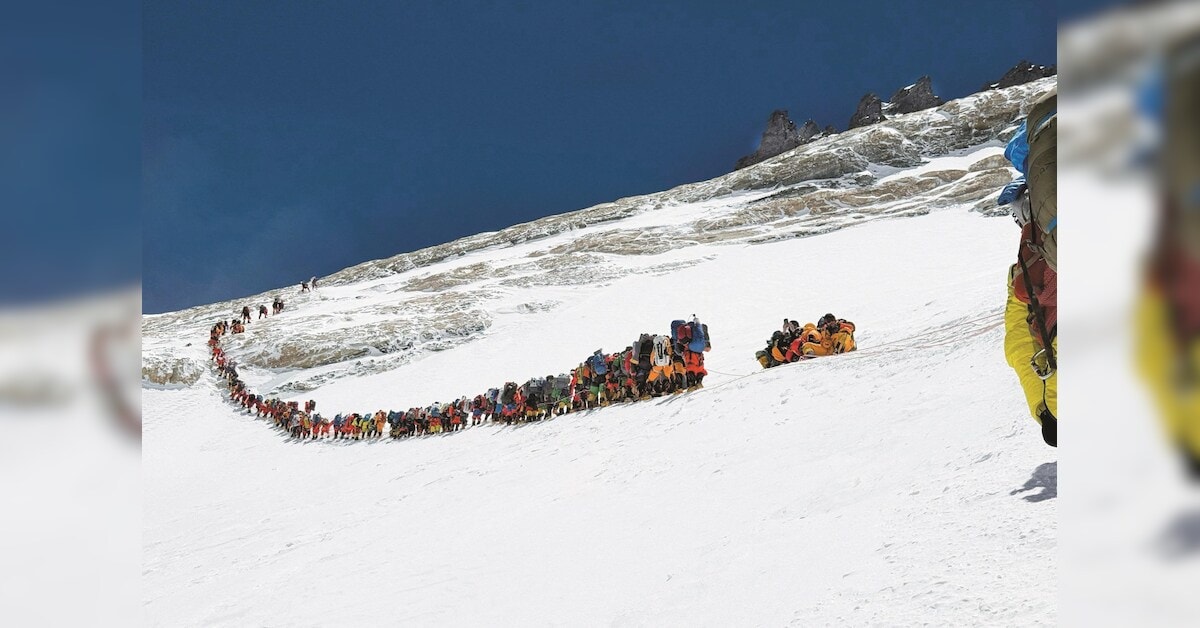
The mountaineering community is grappling with mounting concerns over safety practices and environmental impact as India's trekking industry experiences unprecedented growth. The recent death of accomplished climber Nirmal Purja on a high-altitude expedition has reignited debate about the risks faced by mountaineers operating in extreme conditions, where infrastructure and rescue capabilities remain limited.
India's mountains have become increasingly crowded as domestic tourism expands and international interest grows. Popular trekking routes and peaks now attract thousands of visitors annually, straining accommodation, waste management, and emergency response systems. The surge in climbers has created bottlenecks at critical junctures, where dangerous delays can leave mountaineers exposed to life-threatening conditions including altitude sickness, avalanches, and extreme weather.
Safety experts have raised questions about permit regulations, guide qualifications, and medical preparedness across India's trekking regions. Many operators lack standardized safety protocols, and enforcement of existing regulations remains inconsistent. Additionally, the environmental footprint of mass tourism—from accumulated waste at base camps to trail degradation—threatens the long-term sustainability of these natural areas.
State tourism authorities and mountaineering organizations are under pressure to implement stricter safety standards while managing the economic benefits of tourism. Balancing accessibility with risk mitigation presents a complex challenge, particularly given the technical demands of high-altitude mountaineering. Stakeholders argue that comprehensive reforms—including mandatory safety certifications, improved rescue infrastructure, and controlled visitor numbers—are essential to prevent further tragedies and preserve India's mountain heritage.