Business · India Bureau
India's New UPI Merchant Discount Rate: Who Pays, Who Profits
India's digital payments landscape is shifting as a new merchant discount rate structure takes effect on UPI transactions. The changes will reshape cost dynamics for banks, payment platforms, and businesses across the country.
LSN India ·
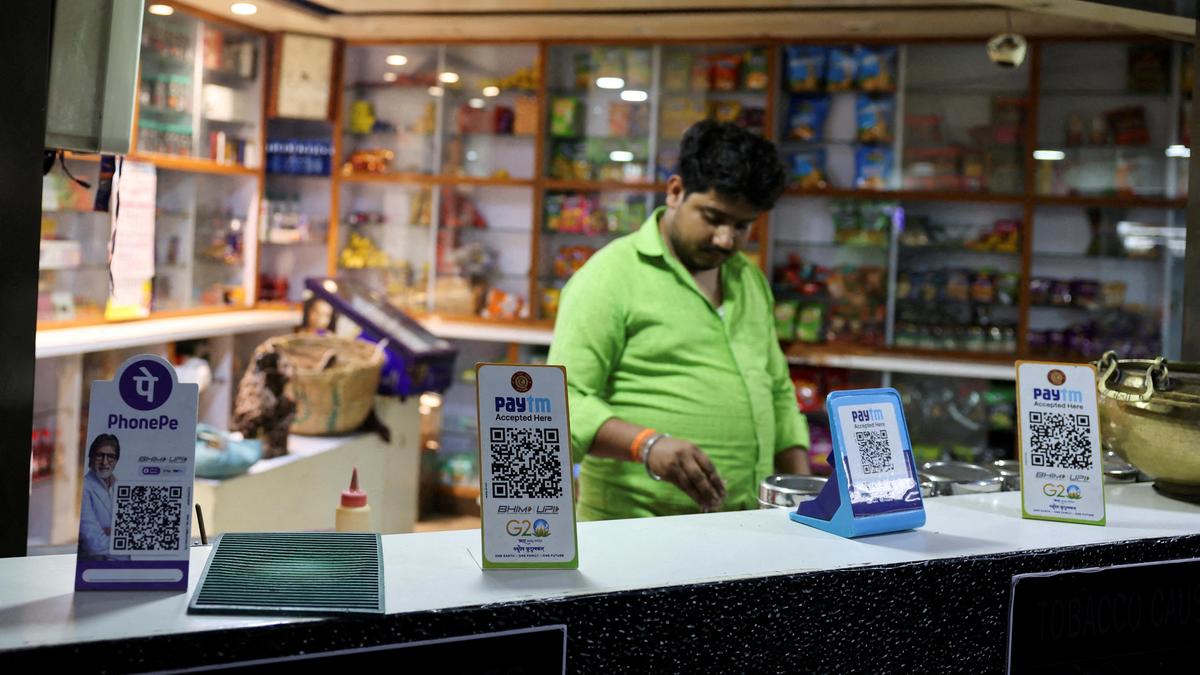
The Reserve Bank of India has introduced a merchant discount rate (MDR) framework for Unified Payments Interface transactions, marking a significant shift in how digital payment costs are distributed across the ecosystem. Under the new system, charges will apply to specific categories of UPI transactions, fundamentally altering the previously free payment model that has driven India's digital adoption.
The MDR structure differentiates between transaction types, with merchant-to-customer payments attracting the new charges while peer-to-peer transfers remain free. This distinction ensures that consumer-to-consumer UPI usage—a cornerstone of India's digital payment revolution—continues without friction, while businesses and merchants bear the costs of payment processing through their acquiring banks.
Banks and payment service providers stand to benefit substantially from the new framework. The MDR system creates a sustainable revenue model for financial institutions that have long absorbed the operational costs of UPI infrastructure without corresponding income. Payment aggregators and fintech platforms are also positioned to gain, as they can now earn commission-based revenue from merchant transactions processed through their systems.
Retailers and small businesses accepting digital payments face the primary cost burden, though the MDR charges remain considerably lower than those applicable to credit card transactions. Industry analysts suggest this graduated approach balances the need for financial sustainability in India's payment infrastructure with continued affordability for merchants, particularly small traders who form the backbone of India's retail economy.
The implementation reflects the RBI's broader strategy to create a commercially viable digital payment ecosystem while maintaining accessibility for consumers and affordability for merchants operating at scale.