Business · India Bureau
India's Next Growth Phase Demands Institutional Strengthening: FinTech Leader
Three decades after economic liberalisation transformed India's trajectory, the nation must now pivot from opening markets to building robust institutions, according to fintech entrepreneur UR Bhat. The shift is essential to sustain the progress achieved since 1991, he argues.
LSN India ·
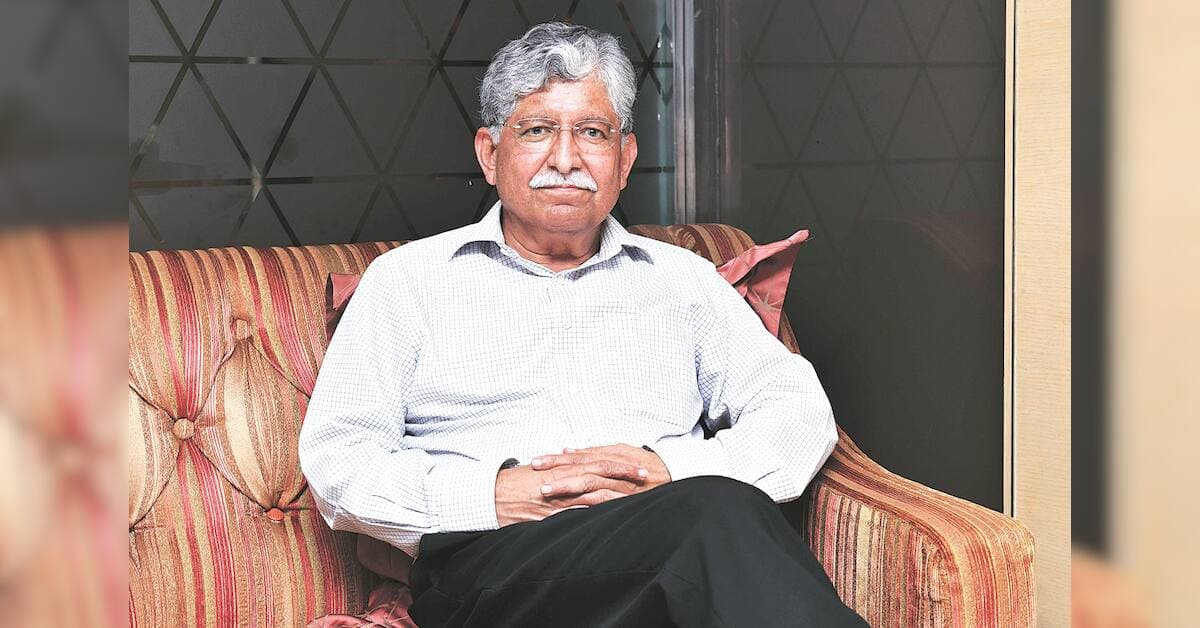
India's 1991 economic liberalisation marked a watershed moment that fundamentally reshaped the country's development pathway, creating opportunities for an entire generation of entrepreneurs and professionals. UR Bhat, co-founder of Alphaniti Fintech, argues that this generation—those who came of age after the reforms—are products of that pivotal opening, having benefited directly from the policies that dismantled protectionist barriers and integrated India into global markets.
Reflecting on three decades of progress, Bhat emphasises that while the initial phase of liberalisation successfully unlocked economic potential and catalysed growth, the sustainability of that progress now hinges on a different priority. "The past 30 years were about opening the economy," he notes, indicating a clear inflection point ahead.
Looking forward, Bhat contends that the next phase of India's development must focus on institutional strengthening rather than further liberalisation. This includes building more effective regulatory frameworks, improving governance structures, and establishing systems capable of supporting a more complex, mature economy. Without such institutional reforms, he suggests, the benefits of market opening alone may prove insufficient to maintain momentum.
The perspective reflects broader conversations among India's business leadership about the country's medium-term growth challenges, as policymakers consider how to sustain the economic achievements of recent decades while addressing structural gaps that increasingly constrain development.