World · India Bureau
India's Nuclear Expansion Plans Unveiled; Multiple Reactors Due Online by 2030
India is on track to significantly expand its nuclear capacity over the next five years, with several major reactor projects expected to reach completion between 2026 and 2030, according to official responses to information requests.
LSN India ·
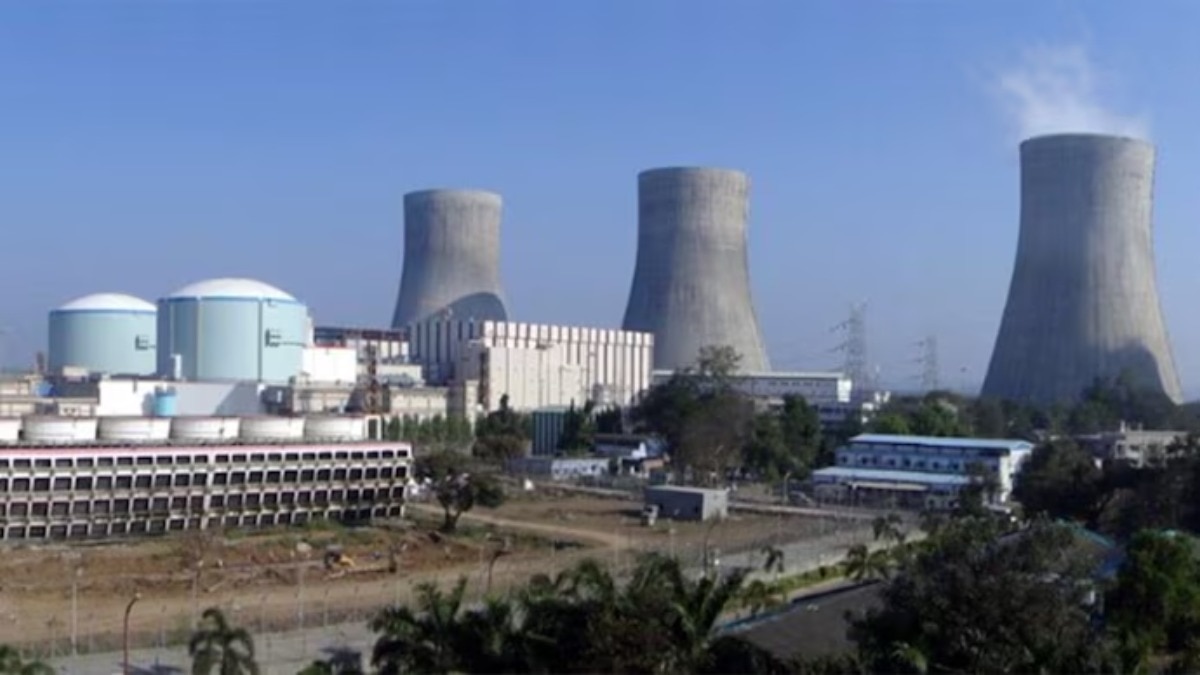
India's nuclear power programme is poised for substantial growth, with multiple reactor facilities scheduled to commence operations across the country in the coming years. The Prototype Fast Breeder Reactor (PFBR) at Kalpakkam, with a capacity of 500 megawatts, is expected to be fully operational by March 2027, according to official documents obtained through information requests to the Department of Atomic Energy.
The PFBR project is a critical component of India's three-stage nuclear power programme originally conceived by physicist Homi Bhabha. The reactor's completion marks a significant milestone in India's efforts to advance fast breeder technology and establish a sustainable fuel cycle based on thorium reserves, which are abundant in the country.
Beyond the PFBR, India's nuclear expansion roadmap includes the RAPP-8 reactor at Rawatbhata in Rajasthan, which the Nuclear Power Corporation of India Limited (NPCIL) projects will become operational in 2026. Additionally, four reactor units at the Kudankulam Nuclear Power Plant in Tamil Nadu are scheduled to be commissioned sequentially between 2027 and 2030, adding considerable capacity to the national grid.
These developments underscore India's commitment to increasing its nuclear power generation capacity as part of broader energy security and climate change mitigation objectives. The staggered commissioning of these facilities reflects the technical complexity involved in nuclear plant construction and the regulatory oversight required to ensure safety standards.