World · India Bureau
India's One-Rupee Coin: Does Production Cost Exceed Face Value?
A persistent question in Indian currency circles questions whether the cost of minting a one-rupee coin exceeds its nominal value. The query raises important considerations about monetary production economics and the sustainability of lower-denomination coinage.
LSN India ·
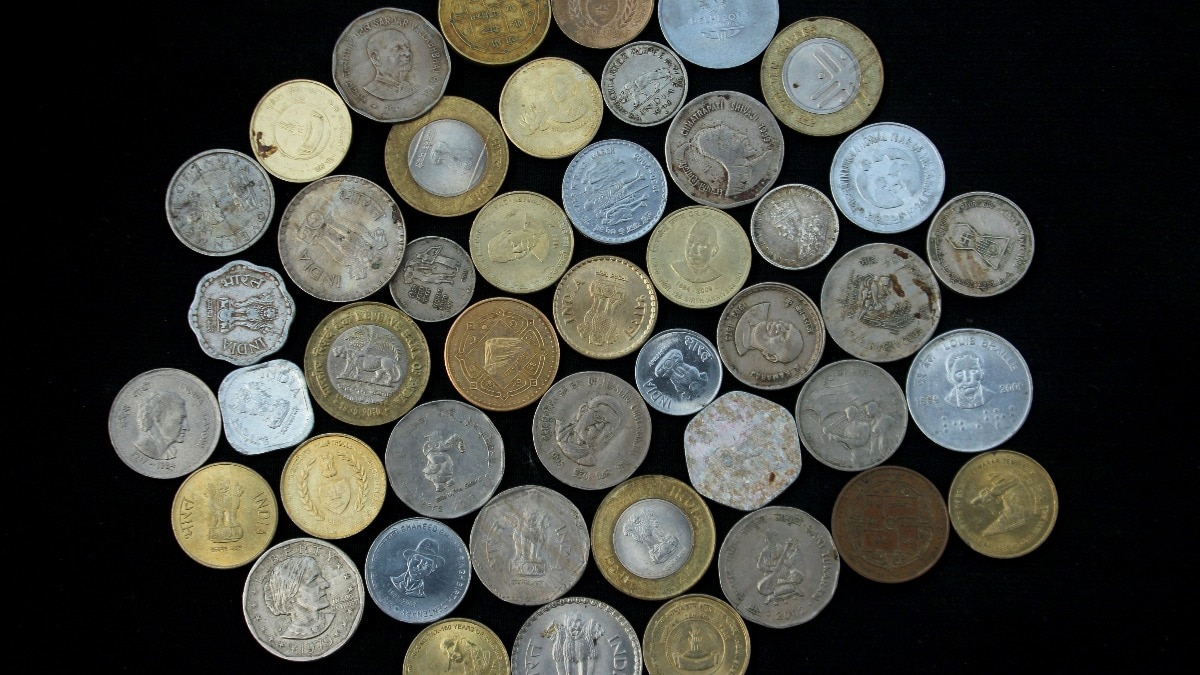
The Indian government regularly faces questions about the economic viability of producing one-rupee coins, with a common assertion suggesting that the manufacturing cost surpasses the coin's face value. This paradox has sparked considerable debate among economists, policymakers, and the general public regarding currency production efficiency.
The minting of coins involves multiple cost factors beyond the raw material value, including manufacturing overhead, labor, equipment maintenance, quality control, and distribution logistics. These operational expenses collectively contribute to the total production cost of each coin struck at India's mints.
The Reserve Bank of India and the Ministry of Finance have occasionally addressed these concerns, though comprehensive public data on exact per-unit production costs remains limited. The debate reflects broader questions about monetary policy, particularly regarding the practical necessity of maintaining lower-denomination coins in an increasingly digital economy.
While some analysts contend that production costs for one-rupee coins do exceed their face value, others argue that such assessments fail to account for the coins' extended circulation lifespan and the essential role they play in cash-based transactions across India. The actual figures, maintained within government financial records, remain subjects of continuing public interest and economic discourse.
The efficiency of coin production ultimately ties into larger considerations about India's monetary system, cash circulation patterns, and the balance between physical currency maintenance and modernization pressures.