World · India Bureau
India's Paradox: Floods Ravage States as Groundwater Reserves Plummet
Even as monsoon flooding inundates multiple Indian states, groundwater levels continue their alarming decline, exposing a critical water management crisis. Maharashtra has declared drought across 265 talukas, highlighting the severe disconnect between surface and subsurface water availability.
LSN India ·
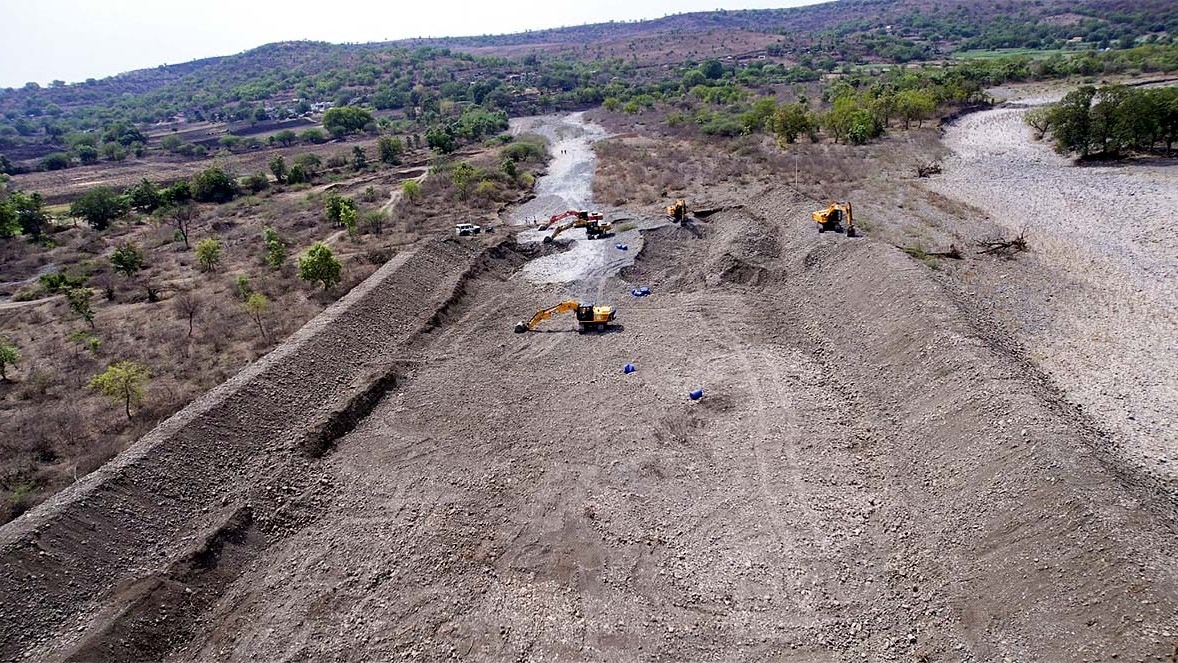
India faces a counterintuitive water crisis as seasonal floods pummel several states while underground aquifers simultaneously dry up, underscoring the nation's fragmented approach to water resource management. Maharashtra exemplifies the problem, with authorities declaring drought conditions across 265 talukas despite the monsoon season bringing heavy precipitation to other parts of the country. The phenomenon reflects a fundamental breakdown in water conservation and distribution systems that has left communities vulnerable to both excess and scarcity.
Scientists and water management experts attribute the crisis to three interconnected factors: excessive groundwater extraction for agricultural and industrial purposes, insufficient natural recharge of aquifers, and increasingly uneven rainfall distribution patterns. While floods devastate certain regions, the water fails to percolate effectively into underground reserves, and existing groundwater continues to be depleted faster than natural processes can replenish it. This imbalance has widened the gap between water-rich and water-stressed areas within single states.
The crisis demands urgent policy intervention across multiple sectors. Experts advocate for improved water harvesting infrastructure, stricter regulation of groundwater extraction, and coordinated inter-state water management protocols that can capture and redirect excess flood water to recharge aquifers. Without comprehensive reforms, India's paradoxical water crisis—characterized by simultaneous flooding and drought—is likely to intensify as climate variability increases and population pressures mount.