World · India Bureau
India's pollution index masks severity of extreme smog episodes
India's official air quality measurement system has significant blind spots when pollution reaches hazardous levels, with authorities excluding the most extreme readings from calculations. The methodology gap means severe pollution events may appear less dangerous than they actually are.
LSN India ·
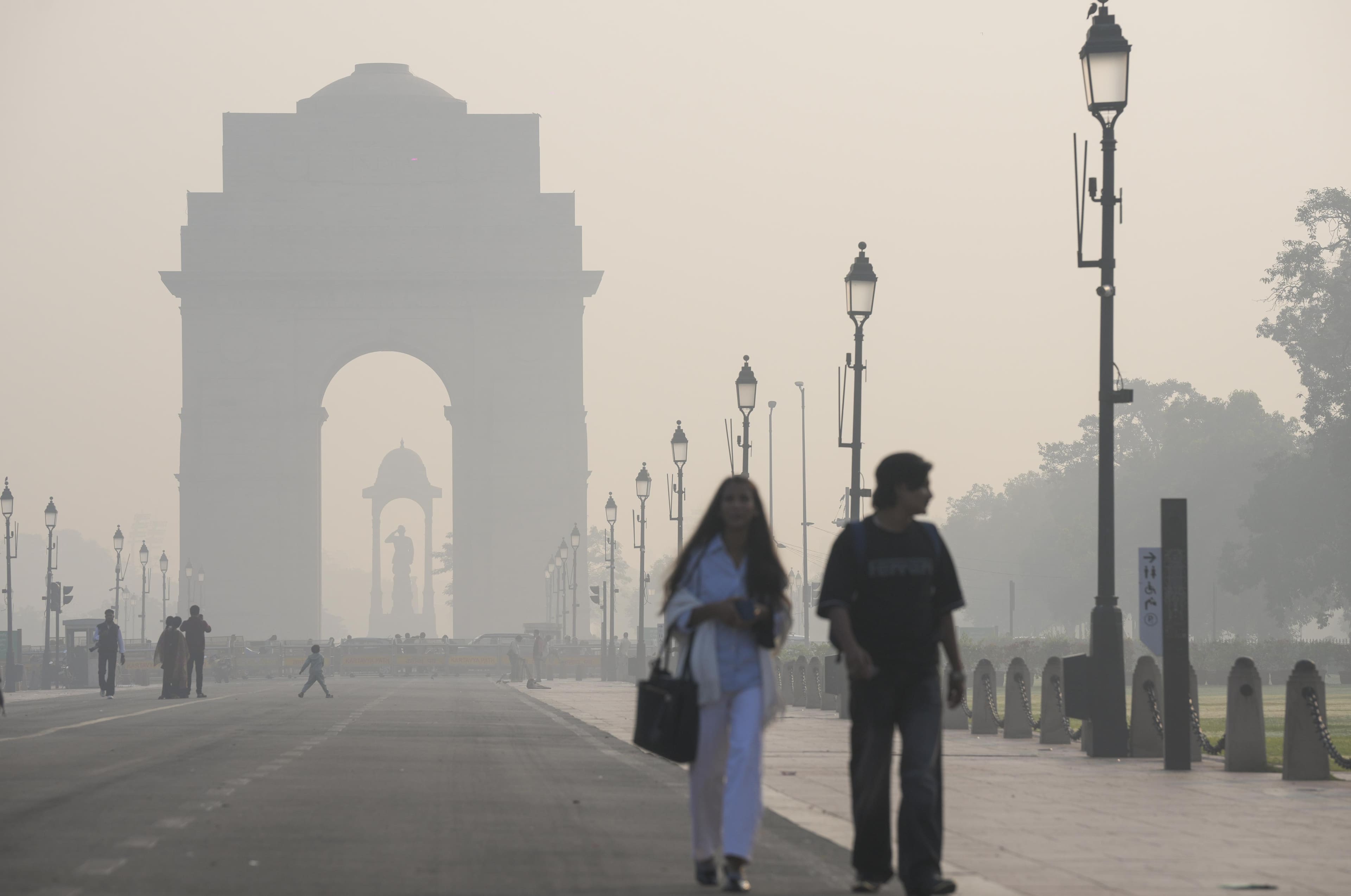
India's Central Pollution Control Board uses a calculation method that systematically excludes particulate matter readings exceeding 1,000 micrograms per cubic metre from its Air Quality Index, creating a measurement gap during Delhi's worst pollution episodes. This exclusion threshold means that on days when pollution reaches catastrophic levels—common during winter months in the national capital—the official AQI may not fully reflect the actual severity residents are experiencing.
The discrepancy between private air quality monitors and government readings has prompted criticism that the official index fails to capture the true extent of extreme pollution events. When particulate concentrations spike beyond the 1,000 µg/m³ threshold, private monitoring networks continue recording data while the CPCB's calculations effectively flatten these peak readings, potentially underestimating public health risks.
This methodological limitation raises questions about how India's pollution index communicates risk during the most critical periods. Environmental analysts argue that the AQI should provide transparent, comprehensive data during extreme events when health advisories and pollution mitigation measures matter most. The current approach of excluding maximum readings leaves a significant gap in understanding and responding to Delhi's most severe air quality crises.
The CPCB's measurement system, while standardized, does not align with how private sensor networks and international monitoring standards handle extreme pollution concentrations. As India continues grappling with seasonal air quality deterioration, experts suggest the need for a unified approach that captures the full spectrum of pollution levels to better inform public health decisions.