Politics · India Bureau
India's poor bear brunt of pollution without causing it: SC
The Supreme Court has highlighted the inequity of air pollution, noting that low-income populations suffer disproportionately despite minimal contribution to emissions. The bench identified heavy vehicular traffic as a primary driver of deteriorating air quality across Delhi and surrounding regions.
LSN India ·
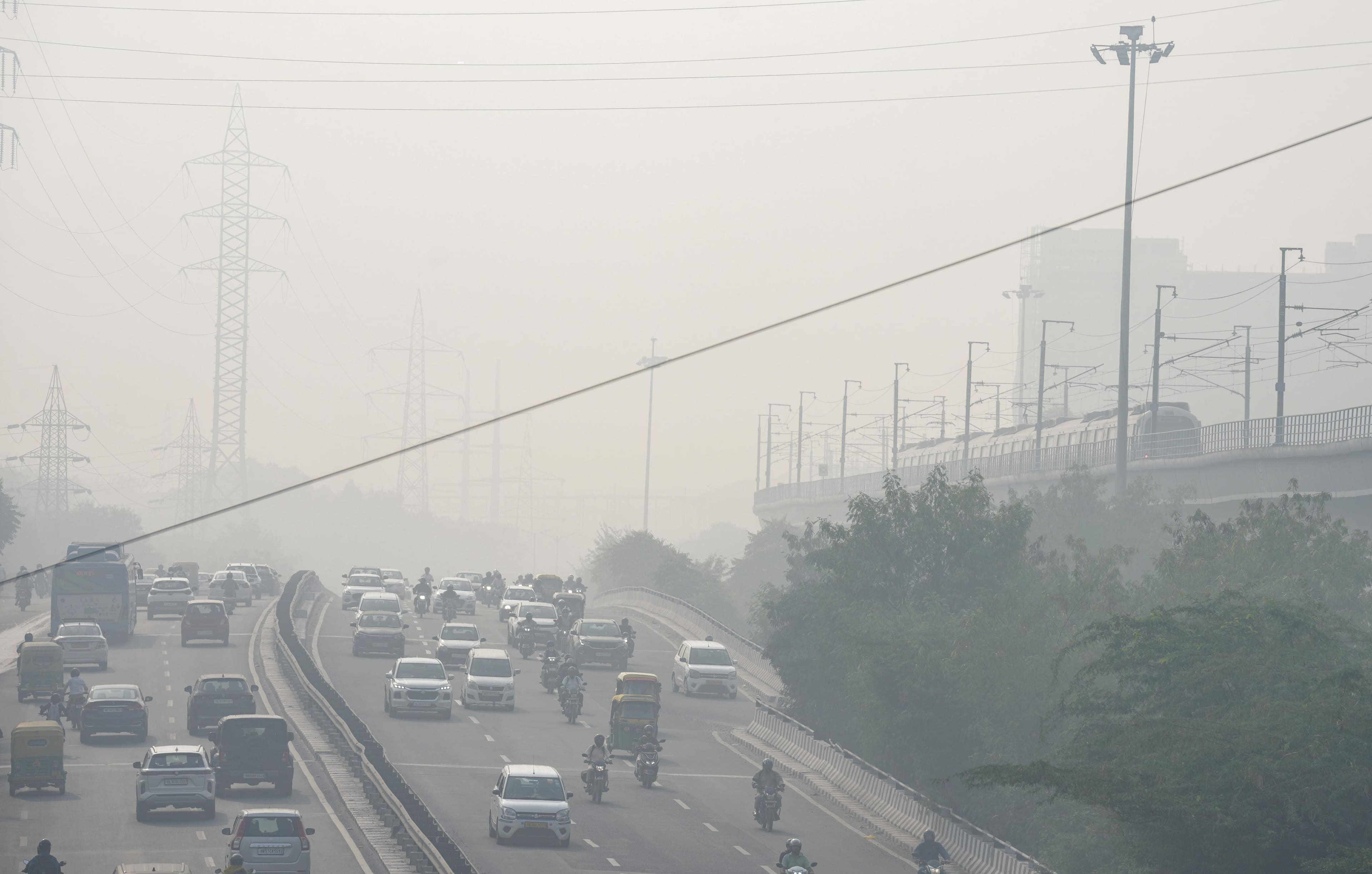
India's Supreme Court has underscored a stark disparity in how air pollution affects different sections of society, observing that the poor endure the worst health consequences despite playing little role in causing environmental degradation. The observation came as the court examined factors contributing to the persistently poor air quality plaguing Delhi and the National Capital Region.
In its assessment, the bench identified vehicular emissions—particularly from heavy vehicles and private automobiles—as a significant contributor to the region's worsening air pollution. The court's remarks point to a systemic issue where those least responsible for pollution-generating activities, such as car ownership and industrial operations, face the gravest health impacts.
The Supreme Court's intervention underscores growing judicial concern over air quality in India's most populous metropolitan areas. By flagging the disproportionate burden borne by economically disadvantaged communities, the court has raised questions about environmental justice and the distribution of pollution-related health hazards across socioeconomic lines.
The observation is part of broader efforts to address Delhi-NCR's chronic air quality crisis, which regularly reaches hazardous levels, particularly during winter months. The court's focus on vehicular emissions suggests potential pressure for stricter transport regulations and emission controls in the region.