World · India Bureau
India's power reserves face strain as demand surges
Experts warn that India's electricity buffer is dangerously thin, requiring urgent reforms to build a more flexible and resilient grid infrastructure. The challenge intensifies as power consumption continues to climb across the nation.
LSN India ·
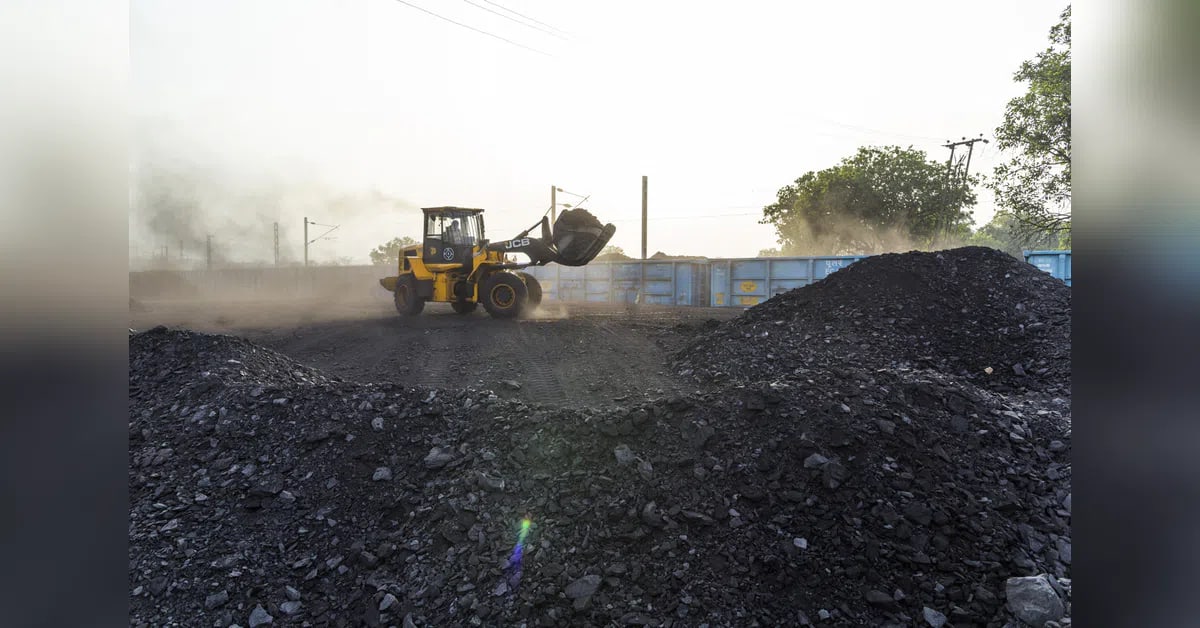
India's power sector is operating with uncomfortably narrow safety margins as electricity demand accelerates faster than generation capacity can reliably expand. The country's reserve power buffer—the cushion between peak demand and available supply—has compressed significantly, leaving the grid vulnerable to supply shocks and seasonal fluctuations.
Current generation and distribution patterns have created structural rigidities that prevent rapid response to changing demand patterns. Coal-dependent power plants, while substantial in capacity, lack the flexibility needed to adjust output quickly. Renewable energy sources, though growing, remain intermittent and require better integration mechanisms.
Industry analysts emphasize that India must transition toward a more dynamic power system architecture. This includes accelerating renewable energy deployment, modernizing grid infrastructure with advanced control systems, and developing adequate energy storage capacity. Battery technology and pumped hydro storage could play crucial roles in smoothing supply-demand mismatches.
Without systemic improvements, India risks periodic shortages that could constrain economic growth and industrial output. Policymakers are examining mechanisms to incentivize flexible generation capacity and demand management, recognizing that a more resilient electricity system is essential for sustaining the nation's development trajectory and meeting long-term climate commitments.