World · India Bureau
India's power sector needs greater flexibility to meet modern demands
Energy experts say India's electricity infrastructure must evolve beyond traditional generation models to accommodate rapid growth in renewable energy and changing consumption patterns. A more adaptive grid system could help balance supply and demand more efficiently.
LSN India ·
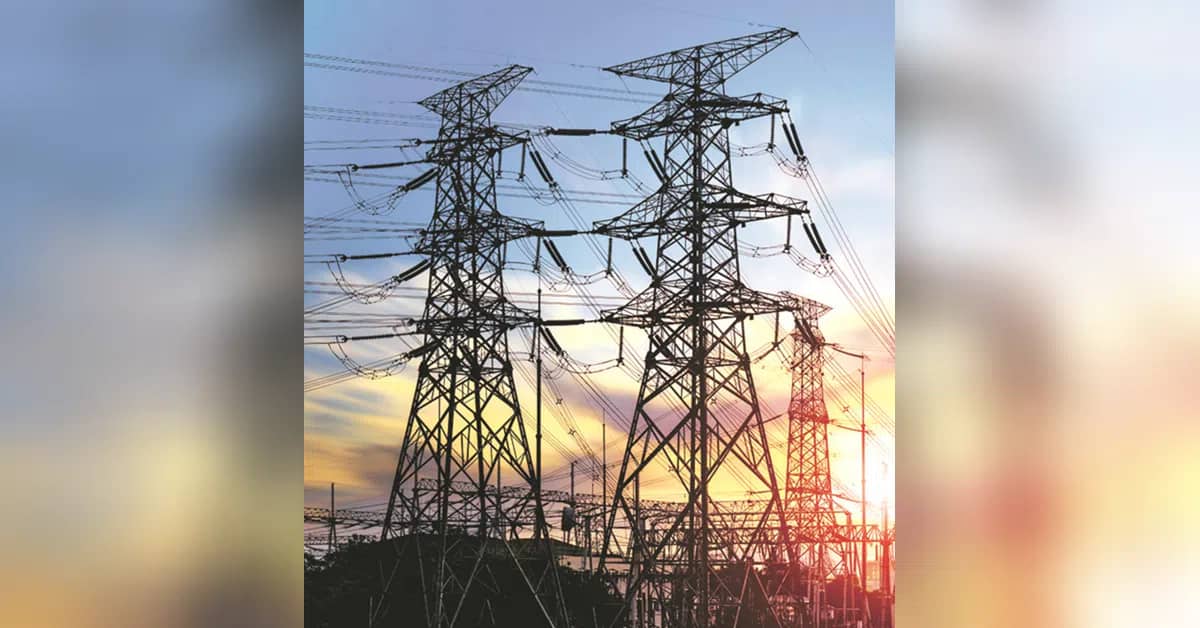
India's power sector faces mounting pressure to transform its operational structure as the nation grapples with rising electricity demand and an expanding renewable energy portfolio. Traditional generation-focused models are proving inadequate for managing the complexities of a modern grid that must integrate variable solar and wind resources alongside conventional thermal capacity.
Industry analysts emphasize that flexibility in power generation and distribution has become essential for grid stability. This includes not only diversifying energy sources but also implementing demand-side management strategies, improving energy storage capabilities, and upgrading transmission infrastructure to handle bidirectional power flows.
The challenge intensifies as India pursues ambitious renewable energy targets while maintaining reliable baseload power. A more adaptable system would allow utilities to respond dynamically to fluctuations in both supply and demand, reduce wastage, and optimize the use of existing infrastructure.
Experts recommend prioritizing grid modernization investments, strengthening interconnections between regional power systems, and developing mechanisms that incentivize flexible generation. Such measures would enable India to achieve its energy security goals while supporting the transition toward a cleaner, more sustainable power architecture.
As consumption patterns evolve and renewable capacity expands, the shift toward operational flexibility is no longer optional but fundamental to ensuring India's long-term energy security and economic growth.