Business · India Bureau
India's power sector transforms from blackouts to surplus capacity
Three decades of liberalisation and reform have reshaped India's electricity sector from chronic shortages to near-universal access and generating capacity surpluses. However, financial stress at distribution companies remains a significant structural challenge.
LSN India ·
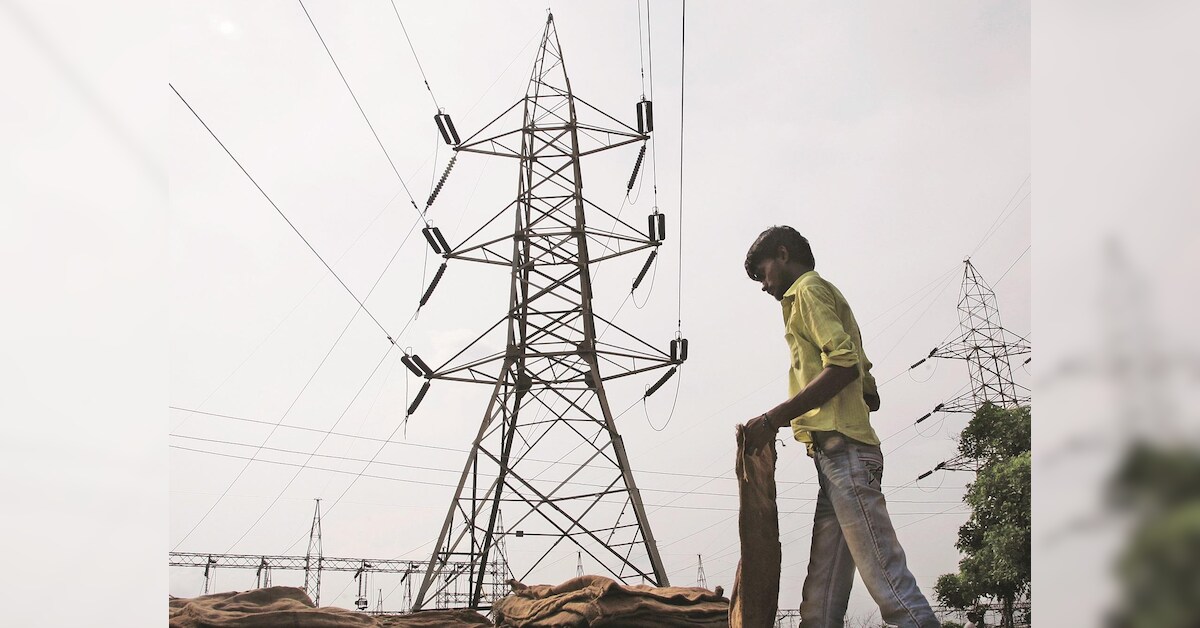
India's power sector has undergone a dramatic transformation over the past 30 years, shifting from a system plagued by persistent blackouts and acute supply deficits to one capable of meeting demand nationwide with spare capacity. This shift reflects the cumulative impact of successive waves of liberalisation, privatisation, and regulatory reforms that have modernised generation, transmission, and distribution infrastructure across the country.
The journey from scarcity to surplus represents a fundamental restructuring of India's electricity market. Where power shortages once constrained economic activity and left millions without reliable access, the sector now operates with substantial generating capacity reserves and improved grid management. This expansion has enabled more consistent supply to both urban and rural areas, supporting the government's push toward universal electrification and industrial expansion.
Despite these gains, the sector faces persistent financial headwinds. Distribution companies, or discoms, struggle with mounting losses driven by a combination of technical losses, commercial pressures, and operational inefficiencies. The gap between the cost of procuring power and revenue collected from consumers continues to weigh on company balance sheets, creating bottlenecks in system modernisation and investment even as generation capacity grows.
Experts and policymakers have identified durable solutions to disco finances as essential to cementing the sector's gains. Without addressing these underlying weaknesses, further expansion of renewable energy and system reliability improvements may face constraints. The challenge now is to build on three decades of supply-side success while solving the demand-side financial puzzle that threatens the sector's long-term stability.