Politics · India Bureau
India's Privacy Framework Raises Concerns Among Media Organizations
Media outlets across India are expressing apprehension over the implementation of new privacy regulations, citing potential restrictions on investigative reporting and editorial freedoms. Industry observers warn the provisions could complicate newsroom operations and reporting practices.
LSN India ·
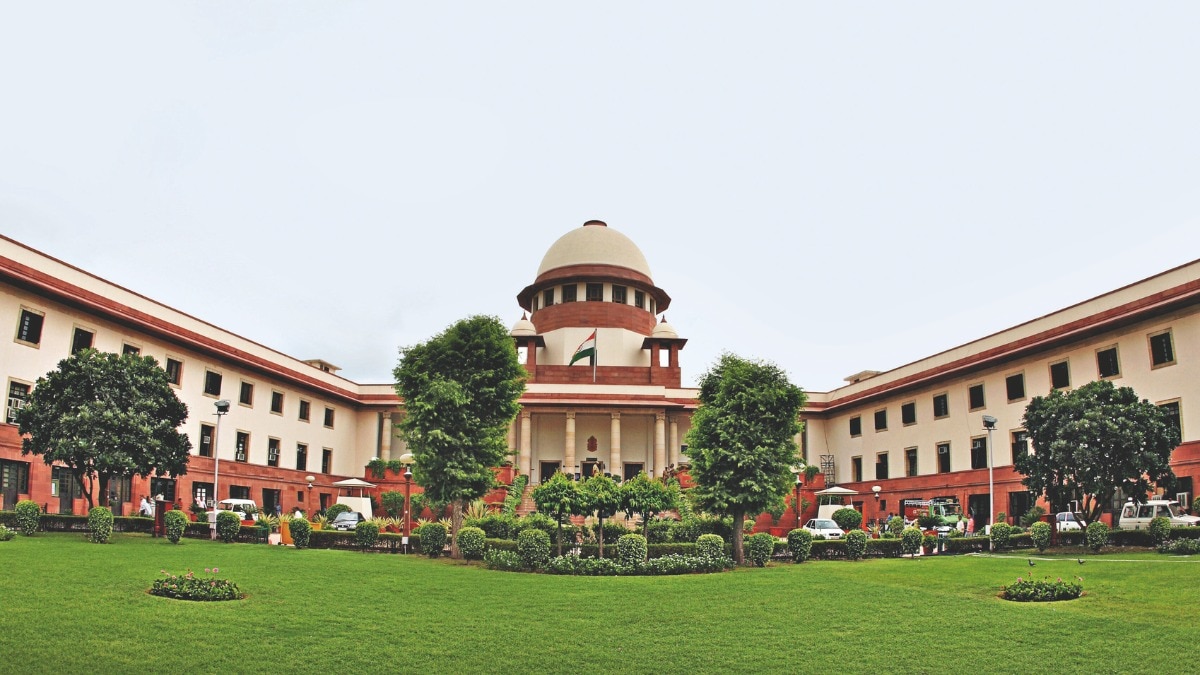
India's media sector is grappling with challenges posed by evolving privacy legislation that threatens to reshape how newsrooms operate and conduct investigations. Privacy advocates and legislators have pushed for stronger data protection measures, but journalists and editorial professionals worry these safeguards may be weaponized to obstruct legitimate news gathering and public interest reporting.
Newsroom leaders have flagged specific concerns about provisions that could restrict access to information, complicate source protection, and impose legal liability on media organizations for publishing sensitive personal data. The broad language in certain clauses, they argue, creates ambiguity around what constitutes permissible journalism versus privacy violation, potentially chilling investigative work on matters of public concern.
The tension reflects a fundamental conflict between two competing interests: the right to privacy as a fundamental right, and the media's role in holding powerful institutions accountable. Industry representatives have called for clearer definitions and explicit carve-outs for journalism in the interest of public information and transparency.
Government officials maintain that privacy protections are essential in the digital age and that responsible journalism can operate within the new framework. However, the debate underscores the need for dialogue between policymakers, media organizations, and privacy experts to ensure regulations do not inadvertently compromise press freedom while protecting individual rights.